




Blog / Chevrolet Maintenance Tips

Blog

All Chevrolet Maintenance Tips Fort Smith Chevrolet Dealer Fort Smith Community Fort Smith Chevrolet Service Orr Chevrolet of Fort Smith Chevrolet Orr Chevrolet of Fort Smith Service Chevrolet Review 2026 Chevrolet Silverado 1500 2026 Chevrolet Tahoe 2026 Chevy Colorado 2026 Chevrolet Silverado 2500 2026 Chevrolet Silverado Lineup Chevrolet SUV
Car engine maintenance

4 Car Maintenance Tips to Keep Your Chevy in Great Shape

To keep your vehicle in the best shape, it's important to know how to maintain it properly. There are a few important things that your Chevy dealer wants you to know. Here are some car maintenance tips to keep in mind. more 1. Look at Your Tires If you want to keep your car running smoothly, then you need to make sure that its tires are in good condition. Tires that are too low on air pressure or that have treads that are too worn could run into problems like blowouts and flats. Aim to check your tires' pressure about once a month and refill them as necessary. If you notice the treads are getting too worn, then consider getting the tires replaced or having a rotation performed. 2. Check Your Fluids Your car uses several fluids to run properly. If these fluids start getting low, then you'll quickly notice issues arising. This is why it's so important to keep an eye on your fluids and refill them when necessary. When you take your car for regular servicing, one of the things that your mechanic will check is your fluid levels. They'll look at fluids like your coolant, transmission fluid, engine oil, and power steering fluid to ensure they're at appropriate levels. 3. Keep an Auto Log It's hard to know if you might be experiencing issues like high fuel consumption if you don't know what your car normally consumes. This is why you should consider keeping an auto log. In this log, keep track of your mileage and gas fill-ups. If you notice that you're consuming more fuel than usual, then you may want to make an appointment with your dealer's mechanics. They can take a look and determine if there's an issue that needs to be fixed. 4. Keep Your Car Clean Are you regularly cleaning your car's interior and exterior? If you're not, you could be significantly lowering the value of your vehicle. Over time, grime and dirt can build up on your car, eating away at your vehicle's bodywork. Leaving garbage inside your vehicle can result in hard-to-get-rid-of smells that lower your car's value. To prevent issues like this, you should aim to clean your vehicle around once every two weeks. If you find yourself driving in particularly dirty areas, then you should be cleaning more often. If you want to make sure that your Chevy is going to last you a long time, then you need to remember the above tips. Don't forget to take your vehicle to your dealer for regular servicing. Is it time to get your car serviced? Visit us at Orr Chevrolet of Fort Smith. Image by Krzysztof from Pixabay
fort smith radiator repair

3 Signs Your Chevy Needs a Radiator Repair

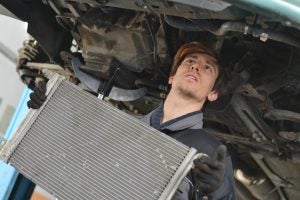
Your Chevy's radiator is often underappreciated. It's tough, as it has to cope with the continual flow of liquid that can be hotter than 300 F. Your radiator also operates under high pressure. This combination of heat and high pressure means that parts can eventually fail, and your Chevy dealer will need to perform a radiator repair. These are a few signs that your radiator could be in trouble. more Leaking Coolant A coolant leak will lead to a rapid increase in your engine temperature. The coolant's job is to absorb engine heat and transport it to the radiator for removal. Coolant flows continuously through your engine from the time the engine temperature reaches a pre-set level. Once your engine temperature drops below this level, the coolant flow shuts off. The cooling system depends on this continual flow of coolant. A leak in the system will cause a coolant loss and drop the pressure in the system. These events slow the movement of remaining coolant, and your engine will start to overheat. Coolant leaks are usually easy to spot since the fluid is bright pink, green, yellow, or blue. We'll find the source of the leak and fix it. Broken Thermostat The thermostat controls the release of coolant into your engine. It has a pre-set temperature, usually between 180 F and 220 F. When the thermostat detects your engine temperate is higher than this, it opens and releases coolant. This coolant is then rapidly pumped through the system to remove the heat and take it to the radiator. Mechanical wear can cause the thermostat to fail, and it will jam. A thermostat jammed open will flood your engine with coolant. This rapidly lowers your engine temperature, reduces engine performance, and increases fuel consumption. If the thermostat jams closed, the temperature will increase, and your engine is in danger of overheating. Replacing the thermostat will fix this problem Damaged Radiator Until the 1970s, radiators were manufactured from copper and brass. This made them strong but very heavy. Your modern Chevy radiator is made from aluminum and plastic. This provides toughness yet allows the radiator to be light and reduce weight in the front of your car. Despite this strength, they can still suffer damage due to time, heat, and pressure. Cracks can appear in the plastic sections of the radiator, and this can cause coolant leaks. The aluminum tubes in the front of the radiator can be damaged by road debris. Any damage to the radiator can lead it to fail. We can't repair this damage, but we can replace the radiator for you. If your radiator isn't working the way it should, call us immediately at Orr Chevrolet of Fort Smith.

Car air conditioner

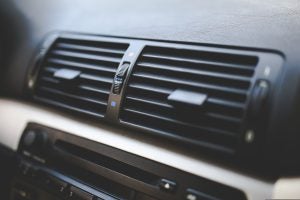
Is Your Car AC Not Working? Stop By Your Chevy Dealer Today

Summertime is the perfect time to take a road trip, but what do you do when your car's AC suddenly stops working? Is your car AC not working? Don't worry; we're here to help. Here are some warning signs to look out for when your AC is faulty and you need to take it to your Chevy dealer. more Strange Noises in the Car If you're driving and you hear a noise that sounds like someone is repeatedly running their fingernails down a chalkboard, it might be a sign that your car's AC is on the fritz. These strange noises are usually caused by a build-up of ice on the AC unit's evaporator coils. When the coils get too cold, they can cause the refrigerant to turn into a gas, which makes a loud hissing noise. If you notice this noise, it's best to take your car to a mechanic so they can check the AC unit and make sure it's working correctly. Faulty Air Conditioning One way to tell if your car's AC is not working is if the air from the vents is not cold. It can be caused by several issues, such as a low refrigerant level or a faulty compressor. It's essential to take your car to a mechanic for analysis and repair if you find that the air conditioning isn't blowing chilly air. Foul Odors in the Car Your car's air conditioning system may need maintenance if it emits unpleasant smells. The development of mold and mildew in the evaporator coils is most likely the cause of the foul odor. If you notice this terrible smell, we advise you to take your car to a professional to have the AC system serviced. The mechanic will inspect the coils and clean them if necessary. This process will help to eliminate the foul odor and improve the performance of your car's AC system. Jammed Suction Lines The air conditioner in your automobile is a complex system with numerous components that all work together to cool the air inside the vehicle. The suction line, which draws the refrigerant from the evaporator, is one of the most crucial parts of this system. The air conditioner may not function effectively if this line is obstructed or constrained, resulting in a very uncomfortable ride. A build-up of dirt and debris is a common problem that can result in clogged suction lines. If you're experiencing any of the symptoms discussed in this post, it might be time to give your car AC a check-up. Contact us at Orr Chevrolet of Fort Smith, and our team of experts will take care of everything for you. We know how important it is to keep your car running cool all summer long, so don't wait – schedule an appointment today! Image by Karolina Grabowska from Pixabay

brake service mechanic

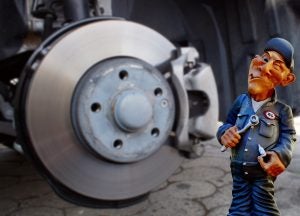
5 Benefits of Getting Routine Brake Service for Your Chevy

All aspects of your routine maintenance schedule are important, but a regular brake service is one of the most critical. Read on to find out why you should ask your Chevy dealer to check your brakes at least once a year. more 1. A Safer Driving Experience It's the first item in this list because it's the most important and because your brakes are one of the most fundamental components of your car's safety system. You need to know that they'll remain reliable, give you full control over your vehicle, and bring it to a halt in good time. To minimize risk to yourself, your passengers, pedestrians, and other road users, it's crucial to ensure that your brakes are in optimum condition. 2. Better Responsiveness and Handling The thrill of the driving experience is one of the biggest benefits of owning a Chevy, and well-maintained brakes will improve the responsiveness of your vehicle. This will make it easier to adjust your speed and allow you more control while driving, giving you the confidence to tackle tight turns and winding roads with panache. 3. More Cost-Efficient Maintenance The components of your braking system work together to stop the car safely and without harm to other parts of your car. During a service, the mechanic will identify which parts need to be replaced, and this will protect your vehicle from the more extensive damage that can occur if they're allowed to become worn down or insufficient. For example, your brake pads are designed to absorb the friction of braking, but the calipers are not. Worn pads will result in metal-on-metal friction that could cause serious corrosion to important parts of your braking system, and may become very expensive. 4. Improved Fuel Economy Having well-maintained brakes will mean that your vehicle functions more efficiently. The harder you have to push the brakes to slow down, the more energy is converted to heat, and the more gas you will burn accelerating to regain speed. Responsive brakes allow you to regulate your speed more effectively and cut down on this wasted energy, saving you money at the gas pump. 5. Certified Service From Your Chevy Dealer The factory-trained technicians at your local Chevrolet dealer will perform a series of checks and inspections on the different parts of your braking system, including the brake pads, shoes, braking fluid, rotors, and calipers. They will identify and replace anything that has become worn or damaged, using suitable parts and state-of-the-art technology to ensure that your vehicle's brakes remain in the best condition. Every responsible driver knows that there's nothing to beat the peace of mind that comes from knowing that you've done everything possible to keep your car healthy, roadworthy, and safe. Schedule a service at Orr Chevrolet at Fort Smith for expert service from a team that cares about your car as much as you do. Image by Ralph from Pixabay

transmission repair

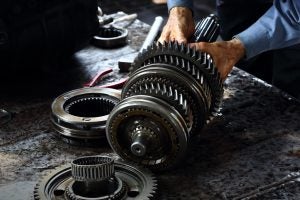
Does Your Chevy or Cadillac Need a Transmission Repair?

Most drivers worry about a transmission repair. They believe this type of repair is expensive and time-consuming. Fortunately, most transmission problems can be fixed quickly and inexpensively. As your Chevy dealer, we'd like you to know some of the signs that you have a transmission problem. more Damaged Transmission Mount Your transmission is anchored in place by the transmission mount. The transmission is filled with constant movement as your gears change. If the transmission isn't securely attached to your car, the movements in the transmission can shift the whole unit and cause damage. If you start hearing clunking or clanking from your engine, you may have a damaged mount. We check your transmission mount during a regularly scheduled service. On average, a transmission mount needs to be replaced every five to seven years. If the mount hasn't been checked according to schedule, it may have suffered damage. Other possible signs of the damaged mount are excessive vibrations while you're driving or noises when you shift from park to drive. Whining, Clunking, or Grinding Noises Your transmission should operate silently as it shifts gears. This means that any noises from the transmission are a sign that something is going wrong. Whining sounds usually indicate a lack of transmission fluid. This fluid is essential for your transmission. It prevents the transmission from overheating, enables your gears to shift, and protects the components against friction damage. Grinding noises can also indicate a low fluid level, as they suggest friction between parts in the transmission. A transmission has hundreds of fast-moving parts. Damage to one of these parts will affect the whole transmission. Clunking noises suggest that one of your transmission sensors has failed. This damaged sensor is preventing your computer from shifting gears correctly. Leaking Fluid As we've seen, transmission fluid enables your transmission to work correctly. A lack of fluid can cause serious damage to your transmission. Luckily, a transmission fluid leak is generally easy to spot. Transmission fluid is bright or dark red, and it has a sweet smell. You can check for a possible leak by placing a large piece of clean cardboard under your car at night. If there are no marks on the cardboard in the morning, there are two further tests you can try. Start your engine and put your gear into neutral. After a few minutes switch off the engine and check the cardboard. If you don't see anything, keep your foot on the brake and shift into drive. If you don't see any marks on the card you may have a transmission leak into your engine. If you're worried about your transmission, call us at Orr Chevrolet of Fort Smith.

alternator

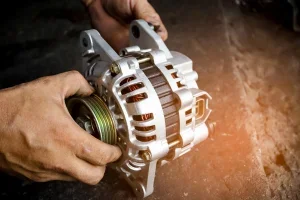
Signs That You Need an Alternator Repair at Your Chevy Dealer

Alternator problems aren't familiar to many drivers. The reason for this is that many of the signs that you need an alternator repair can appear to be caused by other components. As your Chevy dealer, we'd like to tell you about some of the problems that can affect your alternator. If you experience any of these problems, we can speedily fix them for you. more Blown Fuse Your alternator is the power generator of your Chevy. It works tirelessly from the time you switch on your engine to produce the electricity your car requires. The alternator, like any other electrical system, is controlled by a fuse. The fuse is designed to protect your alternator from damage by blowing and shutting down the alternator. While this protects your alternator, it can cause problems for your car. A blown alternator fuse will immediately shut off the alternator. If the alternator isn't working, your battery will have to supply power if your car is moving. You'll see a warning on the dash as the battery light will illuminate. A car battery isn't designed to provide all of your car's power, and this will cause your battery to fail. Once we replace the blown fuse, your alternator will work normally again. Flickering Lights Flickering lights are great at a party, but they're a bad sign if they're happening in your car. The lights in your car should maintain a steady luminescence. If the lights start to flicker, this is a clear indication that there's a problem in the electrical system. Two possible causes of flickering lights are an alternator problem or a wiring problem. Electricity produced by the alternator travels to the various components through a complicated wiring system. If any of these wires suffer damage, the power supply will fluctuate, and the lights will flicker. A damaged alternator may also be supplying less power than your car's systems demand. The reduced power supply means electricity has to be shifted between components, and this will cause the lights to flicker. Worn Alternator Belt The alternator belt is one of the most important belts in your car. It connects a variety of different components, including the alternator, to the crankshaft. As the crankshaft turns, the alternator belt moves over a system of pulleys. Its movement causes each pulley to spin, and this powers each component. The alternator belt is made from reinforced rubber, but it can suffer damage. The belt moves at high speed across the pulleys. To ensure your belt is in good condition, we check it as part of your Chevy's service schedule. A worn belt can also lose some of its tension. If the belt becomes slack, it will affect your car's power generation. You may hear thumping sounds from a loose belt or screeching noises from a belt running slightly off track. Worn alternators produce strange problems. If you're experiencing any electrical anomalies, call us right away at Orr Chevrolet of Fort Smith.

Brake Repair in Orr Chevrolet

3 Signs Your Chevy May Need a Brake Repair

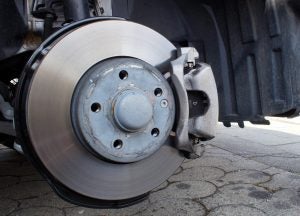
To keep your car's brakes working perfectly, they must be checked and serviced regularly. When your brakes are working correctly, you have the security of knowing that you can control your car's speed with ease. Worn or damaged brakes can put you and your car in danger. These are some of the signs from your Chevy dealer that you're going to need a brake repair. more Squealing Brakes When you apply the brakes, they should work silently and efficiently. If you hear squealing sounds when you mash the pedal, this is a sign of a brake problem. Brake fluid under pressure causes the brake calipers to close on either side of your wheel rotors. The brake pads inside the calipers generate the friction resistance that brings your wheel rotors to a stop. Your braking system is subject to wear, and parts can be affected by moisture from water, mud, and snow. If your brake calipers aren't regularly checked according to your car's service schedule, they can start to rust. Rusted metal is noisy when it moves, and it's also more difficult to get rusted metal to move. The squealing sound can be caused by rusted metal pads or calipers. Our technicians can easily fix this problem. Screeching Brakes Your brake pads serve the important function of bringing your rotors to a stop. They have a friction material covering that is 1/2" thick, and this will rapidly slow and stop your car. The friction material on the pads wears off, and the pads will gradually become thinner. The manufacturers of the brake pads install a warning device in the pads to remind you that it's time to change them. The warning system in the pads isn't subtle. It's a metal spike that is buried in the pad material. When the pads drop to 1/4" thick, this spike is revealed. The spike will scratch against the meta wheel rotor the next time you apply the brakes. This contact makes a loud screeching sound, and it's a clear warning that your pads need to be changed ASAP. Overheated Brake Fluid Your braking system is controlled by hydraulic pressure. This pressure is generated by the brake fluid. When you step on the brake pedal, brake fluid is pumped into the rubber brake hoses. When you take your foot off the pedal, the fluid is drawn back to the brake fluid reservoir to cool. If you ride your brakes, the brake fluid is kept under pressure in the hoses. High pressure generates heat, and the hot brake fluid in the hoses can quickly overheat. If you smell a hot chemical odor, your brake fluid could be overheating. We advise pulling over ASAP and allowing the fluid to cool. Once the fluid has cooled, come into our service department so our technicians can check your braking system. If you have any problem with your brakes, call us immediately at Orr Chevrolet of Fort Smith. Our expert technicians will find and repair the problem. Image by Ralphs_Fotos from Pixabay

car maintenance in Fort Smith

6 Chevy Maintenance Tips to Keep Your Car in Great Shape for Years

Keeping our bodies fit and healthy is extremely important. Eating right, exercising, and proper help us maintain our bodies to last for many years. But what about our vehicles? We need them to stay in shape to get us to where we want to go safely and reliably. Here are six Chevy mainte nance tips to keep your car happy, healthy, and reliable. more Don't Let Your Tires Get Tired This is where the rubber meats the road, quite literally. Tire pressure is important to ensure reduced wear and good gas mileage. Learn how to check your tire pressure and inflate accordingly. To make sure you have even tread wear, a lesser likelihood of flats or blowouts, and to provide a smoother and more comfortable ride, get those tires rotated every 5,000 to 10,000 miles. Also, be on the lookout for any tire recalls. Keep that Engine Lubricated Regular oil changes are crucial in keeping your engine running properly and lasting longer. Check your oil monthly and change it according to your vehicle's guidelines. Should you decide to do it yourself, make sure you select the correct oil for your car, learn how to drain the oil, put in the correct amount, and properly dispose of the old oil. Hydrate, Hydrate, Hydrate! Fluids should be kept at the necessary levels to keep your vehicle purring like a kitten. Engine oil, coolant, power steering fluid, brake fluid, transmission fluid, and even windshield wiper fluid are all important in the maintenance of your vehicle. Light the Way Whether you're going home late from work, enjoying a night on the town, or taking a much-anticipated road trip, you're often going to find yourself on the road at night. Keep your lights in working order so they can show you the way to your destination. Make sure you clean the lenses and replace the bulbs as they dim. Also remember that broken or burnt-out bulbs are not only safety hazards, but you might find yourself pulled over and given a ticket. Your Car Needs to Breathe Just as you need to breathe to live, your car needs air to work properly and get you to where you need to go. A dirty air filter will allow dirt and particulates into your engine and reduce its efficiency. Check your vehicle's air filter at least yearly and replace it when necessary. Stop! Your car's brake pads need regular inspection, as your brakes are the single most important safety feature. While you are driving, listen for any noise coming from the brakes and pay attention to any vibrations when applying the brake pedal. Consult your service provider right away should you notice anything out of the ordinary with your brakes. Safety and reliability are the two most important aspects to us while we are driving our cars to the places we need to go. Keeping up with proper maintenance is important to ensure that safety and reliability for us and our passengers. Bring your vehicle in to Orr Chevrolet of Fort Smith today for all your maintenance needs.

6 Signs It's Time to Replace Your Car Air Filter

6 Signs It's Time to Replace Your Car Air Filter

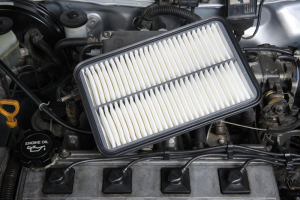
Car engines need both air and fuel to work correctly. Air flows through the engine via an air filter, which blocks leaves, dust, dirt, and other contaminants from entering. Over time, the filter can get dirty and clogged, and this can have negative effects on the way your engine operates, so it's important to get filters changed on a regular basis. This guide will go over some common signs that show when it's time to change your car air filter. more 1. A Dirty or Discolored Filter One of the easiest ways to spot a filter that needs changing is to actually take a look at it. A clean and fresh filter will be mostly white in color but will get darker as it gathers dust and dirt. If your filter looks very dark and dirty, it might be time to change it. If you're unsure about anything, you can get a technician to check your filters for you. 2. Odd Engine Noises Cars make a lot of different noises, and you don't have to worry about every single one. However, if you notice the sudden appearance of spitting or popping sounds when your engine is idle, it's possible that the filter needs to be changed. These sounds may be caused by filters that have gotten clogged up, interfering with the air-fuel mixture inside the engine. 3. Check Engine Light Many drivers notice the "Check Engine" light appearing on their dashboards from time to time. This light can have many different meanings. It could be connected to a filter problem. If the filter is blocked and not enough air is getting through to your engine, the light can turn on automatically. It's very important to pay attention to this light and not simply ignore it. 4. Poor Performance If you use your car regularly, you should have a good knowledge of how it usually feels to drive. If you notice any sudden changes, like slow performance when driving uphill or the car struggling to reach high speeds, it's possible that the filter could be to blame for this. 5. Weak Fuel Economy A dirty filter can restrict airflow into your engine, and if the engine doesn't have enough air to operate, it compensates for this by burning extra fuel. This means that you may start to use more fuel on your usual trips, and you may find that you need to fill your car's tank more often than normal. 6. Black Smoke from the Exhaust It's never a good sign when dark smoke comes puffing out of your car's exhaust. This is commonly a sign of a clogged air filter. It happens because the engine doesn't have the right air-fuel balance, so excess fuel actually flows out of the exhaust in the form of black smoke. In some cases, you may even notice little flames at the end of your exhaust pipe as the unburned fuel starts to ignite. If you spot any of the signs listed above, or if you've had the same filter in place for a long time, it's wise to visit your local dealer and get the filter replaced. Call Orr Chevrolet of Fort Smith today for filter checks and replacements.

Tires

How Long Will New Tires Last Before They Need to be Replaced?

Believe it or not, tires don’t last forever. They may seem extremely durable and resistant to the wear of your daily drive, but the sad truth is they have an expiration date. But how long can you expect your brand-new tires to last? more While it’s not a simple answer, there are some basic guidelines you can follow when it comes to managing the lifespan of your tires. With that said, it also depends on how you use them, what types of tires you’re riding on, and more. What You Need to Know About Tire Lifespan Here are a few things to keep in mind when determining when your brand-new tires need to be replaced: The general consensus is that you should start having your tires inspected annually by a professional after five years of use. Different driving styles matter -- do you peel out at every green light, or do you ease onto the gas and avoid sudden stops? Chances are if you’re a driver of the former mindset, your tires may be nearing their end around that five-year mark By 10 years, your tires will need to be changed. Even with proper tire maintenance and safe driving, your tread will wear down and the rubber will start to deteriorate. For your safety and that of your loved ones, be sure to replace your tires every 10 years Regular maintenance is important. Some of the best ways to ensure your tires make it to 10 years is to keep them properly inflated, schedule regular alignments and tire rotations, and adopt safe driving habits. Obviously this isn’t always in your control, but being wary of what you’re driving on and over helps too. Avoiding potholes, speed bumps, curbs and other large objects/obstructions in the road is a great way to maximize the duration of your tires’ effectiveness. Be sure to use the correct tires. Using summer tires on snow or ice (or vice versa) isn’t ideal, and all four tires should be of the same type. It’s also important to ensure that you’re using the correct tires for the size of the rims on your vehicle. Signs Your Tires Need to be Replaced Now that you know how to avoid wearing out your tires prematurely, we’ve also got a few tricks to test whether or not your tires are ready to be decommissioned. One of the oldest and most well-known tricks is to insert a penny into the primary tread, with Abraham Lincoln’s head facing down. If you can see his entire head -- meaning not even his hair has been given a slight trim -- the tread is too worn and you’re due for a new set. Most tires also have wear indicators in specific spots. If these wear indicators are even with the rest of the tread, it’s time for those tires to go. The Most Important Part: Your Safety Let’s be honest -- no one wants to purchase new tires. However, continuing to drive on worn-out, deteriorating tires is extremely unsafe and can put you, your passengers, and other drivers in danger. Don’t risk it. If you’re seeing the signs and your tires have failed the penny test, visit the Orr Chevy Fort Smith service department for an excellent experience and a fresh new set of rubber shoes for your steed.

Dealership

Pros and Cons of Selling a Car Privately vs. to a Dealer

When it’s time to sell your car, you have two options: sell it privately or to a dealer. Some sellers’ first thought goes to money, and they think they’ll be able to get a much higher price if they sell their car privately, but that’s not always the case—plus, there are other things to consider besides the size of the check. more Here’s the deal: While you may be able to get a little more money selling privately, you can find a dealer that will offer a price comparable to the private seller price in many cases. But you also have to factor in the time you’ll spend selling the car on your own. Is an extra $500 worth the time it will take you to: Post the Car for Sale Online Communicate with/Answer Questions from Potential Buyers Meet Interested Parties in Person to Show the Car Haggle Over Price Report Sale to DMV In a best-case scenario, you’ll spend several hours trying to sell the car on your own. Instead, you could just drive it into the dealership and walk out with the money. Some dealerships, like Orr Chevrolet Fort Smith, even let you start the trade appraisal online. Pros and Cons of Selling Privately vs. Selling to a Dealer Let’s take a quick look at what’s good and about each option for selling your car. Selling Privately Pros May get a slightly higher price For specialty cars, including classic vehicles, you can hone in on the right buyers and, potentially, drive up the price Cons Takes a lot of time to post and meet buyers Can be unsafe meeting potential buyers Many interested parties end up being a no-show Haggling/unreasonably low offers Can take weeks – or even longer – to sell your car Selling to a Dealer Pros Fast sale The dealer handles all paperwork Tax breaks in most states (including Arkansas) when buying another car Cons Offer may be slightly lower than from a private seller You may be wondering about the tax break for people who sell their car to a dealer. As the name implies, the trade-in benefit is only useful if you’re selling your old car to buy another vehicle. If that’s the case, you can deduct the amount of the trade from the sales price of the car you’re buying and only pay sales tax on the difference. Here’s an example: You trade in a car worth $5,000 You buy another car for $15,000 $15,000-$5,000 = $10,000 You only pay sales tax on $10,000 See the dealer or a tax professional for more information about this tax credit. Unless you’re selling a classic or specialty car, selling to the dealer offers more benefits than selling the car privately. Orr Chevrolet Fort Smith offers fair pricing on trades, and we make it fast and convenient to complete the sale whether or not you’re buying another vehicle. Get started online or stop by the dealership. If you are in the market for a new or quality pre-owned car, you’ll love our large selection, and our knowledgeable staff will help you find a great deal on a vehicle that meets your needs.

5_Things_Every_Driver_Needs_in_a_Car_Tool_Kit_637384467096560790

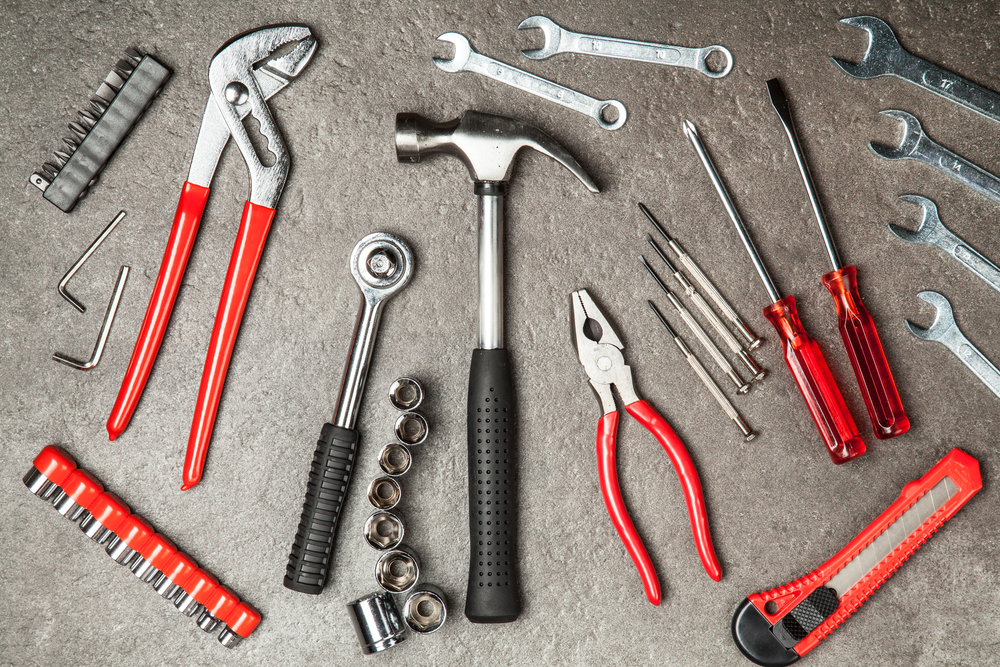
5 Things Every Driver Needs in a Car Tool Kit

Every house has tools that you can't live without: hammers, wrenches, and screwdrivers come to mind. Why wouldn't a car have basic tools too? You might want to safeguard yourself from troubles on the road, or simply want to run maintenance on your car yourself. Having a car tool kit filled with essentials can be very helpful. more 1. Socket Wrenches A good socket wrench will certainly come in handy. Make sure you get the right set of wrenches for your vehicle and also make sure you have the correct socket size for your tires. This makes removing lug nuts and changing a flat tire a snap, and it's a must-have tool. 2. Duct Tape Let's be honest for a second: is there anything a good roll of duct tape can't do? From providing an impromptu patch job to holding an object in place long enough for proper repairs, it's something every driver should keep in their arsenal. 3. Work Light While a flashlight or phone might be able to illuminate a small area at night, chances are you might need both hands for certain types of repairs. A high-quality work light can allow you to work hands-free in a well-lit area, speeding up the repair process and turning night into day. If you get one that is battery powered, then make sure to always check the batteries, and have a few replacement ones on hand. 4. Lubricant This is a must-have, especially if you are repairing an older car. Sometimes parts get rusted, dry, or just plain stuck, and a few drops of lubricant will allow you to get things moving again. Make sure to always have at least two full bottles on hand, and partner them with a rag to catch any spills. Additionally, there are several different types of lubricants, so make sure to use the one that will provide you with the most benefit. 5. The Manual Remember the manual? The large paperback booklet that came with your car and probably is sitting in the glovebox? The book that wasn't read? Well, it's often the most valuable piece of a tool kit. Since it was made specifically for your vehicle, it contains a lot of useful information that will help you make repairs. If you want to find the exact model of your vehicle or an exact specification number, it's all there in the manual! A good tool kit can last you quite a long time. You might not use it as much as an emergency tool kit, but it can help you repair your car in a pinch. So always make sure to keep it well stocked and up to date, and it will be there when you need it the most. If you want to find great starter tool kits, then be sure to visit or call Orr Chevrolet of Fort Smith to get started.

Contact Us

Fill out this form below and we'll contact you shortly
*Required Fields