




Blog / Fort Smith Chevrolet Service

Blog

All Fort Smith Chevrolet Service Fort Smith Chevrolet Dealer Fort Smith Community Orr Chevrolet of Fort Smith Chevrolet Chevrolet Maintenance Tips Orr Chevrolet of Fort Smith Service Chevrolet Review 2026 Chevrolet Silverado 1500 2026 Chevrolet Tahoe 2026 Chevy Colorado 2026 Chevrolet Silverado 2500 2026 Chevrolet Silverado Lineup Chevrolet SUV
engne diagnostic in fort smith arkansas

What Is an Engine Diagnostic?

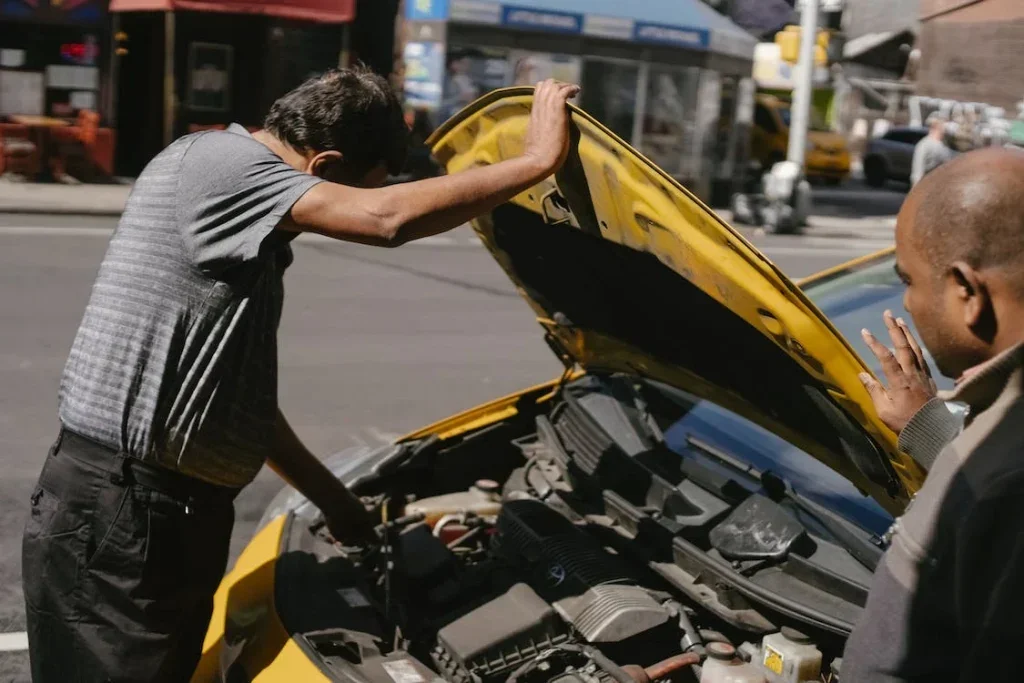
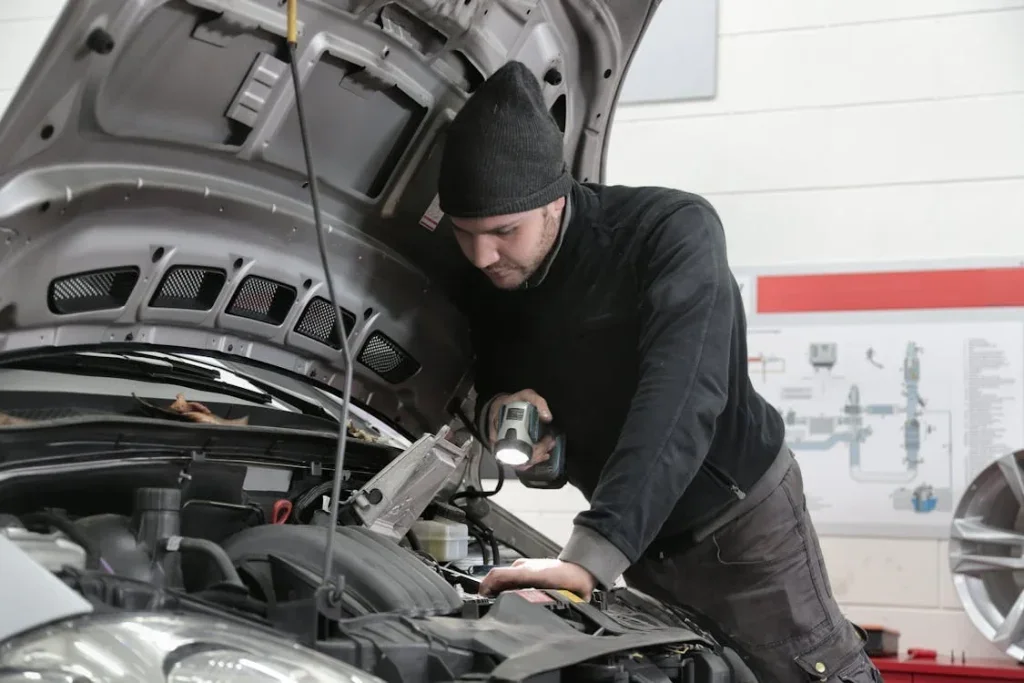
Every car will need an engine diagnostic at some point in its lifespan. You can get this diagnostic test at your local Chevy dealership, as the dealership has all the equipment required to diagnose and repair common issues with your engine. Photo by: Andrea Piacquadio via pexels.com more A diagnostic test on your engine is a test that your mechanic can run when there's an unidentified problem with your car. Instead of checking every component one by one, all of the parts of your car are checked at once so every issue with the car can be promptly diagnosed and repaired. When Should You Get a Diagnostic Test From Your Chevy Dealership? If your check engine light comes on, then you should head to your local dealer for a diagnostic test as soon as possible. If you don't have the issue diagnosed and repaired quickly, then your car may start having performance problems that can inconvenience you. You should also head to the dealer for a test if something strange happens while you're driving. For example, your engine may make strange noises when there's something wrong with it. So, if your car starts making noises that it doesn't usually make, then it's a clear sign you need to go and get a diagnostic test, even if your check engine light hasn't switched on. Should You Get Diagnostic Tests Regularly? It's a good idea to get diagnostic tests regularly to rule out any issues that aren't yet impacting your car's performance. We recommend you get these tests quarterly. A diagnostic test should also be performed on any used vehicle that you're considering buying. You need to know that the used car is in great shape and won't cause any trouble for you soon after you buy it. What Kind of Issues Can Diagnostic Tests Find? A diagnostic test can find issues with all the parts of your vehicle. The test can tell you if you need a fluid top-up, it can find issues with your braking system or your suspension system, and much more. Its ability to find issues with all the components of your car is one of the reasons it's a good idea to get the test done a few times a year. How Long Does a Diagnostic Test Take? How long a diagnostic test takes varies. If it's just a standard test, then it'll typically take between an hour and an hour and a half. However, if your car is experiencing complex issues that need further testing, then a diagnostic test could take up to 4 hours depending on how severe your car's issues are. Visit Orr Chevrolet of Fort Smith in Fort Smith, AR next time you need a diagnostic test for your engine. We can also handle any other service your car needs throughout its lifespan.

test drive in fort smith arkansas

5 Things to Look for When You Test Drive a Car: Tips from Your Chevy Dealership

Test-driving a new Chevrolet is an exciting experience: a chance to get behind the wheel of a potential new car and see how it performs on the road. Here are a few tips from your Chevy dealership about what to consider when you test drive a car, to help you make an informed decision about your next vehicle purchase. Photo by: RDNE Stock project via pexels.com more Handling and Comfort The first thing to assess during your Chevy test drive is how the vehicle handles and the level of comfort it offers. Pay close attention to the steering response, how the suspension absorbs bumps and road imperfections, and the overall ride quality. A comfortable ride is crucial for long commutes or road trips particularly. Performance and Power Chevrolet is known for its diverse lineup, from fuel-efficient sedans to powerful trucks and high-performance sports cars. Depending on your preferences and needs, evaluate the engine's performance and power during your test drive. Consider factors like acceleration, braking, and how well the vehicle handles various driving conditions. Whether you're seeking fuel efficiency or robust towing capabilities, Chevrolet offers a range of options to suit your requirements. Technology and Infotainment Modern Chevrolets come equipped with advanced technology and infotainment systems. Evaluate the ease of use and functionality of features like touchscreen displays, smartphone connectivity, navigation systems, and voice controls. Ensure that the vehicle offers the technology you desire to make your daily driving experience convenient and enjoyable. Interior Space and Comfort Take note of the interior space and comfort features when test-driving a new Chevy. Consider factors such as cabin layout, seating materials, and the overall ergonomics of the vehicle. Check if there's ample legroom, headroom, and cargo space to accommodate your needs and those of your passengers. Chevrolet models often offer a well-thought-out interior design, making your daily commute more comfortable and enjoyable. Safety Features Safety should always be a top priority when choosing a new vehicle. Pay attention to the safety features that Chevy offers in its models. Look for advanced driver assistance systems such as adaptive cruise control, lane-keeping assist, blind-spot monitoring, and automatic emergency braking. Evaluate how these features enhance your driving experience and contribute to your safety on the road. To experience the thrill of driving a new Chevrolet and explore its exceptional features, contact Orr Chevrolet of Fort Smith today. Our friendly and knowledgeable staff here in Fort Smith, AR, is ready to assist you in finding the ideal Chevy vehicle that suits your lifestyle and requirements. Don't miss out on the opportunity to discover the quality and innovation of a Chevrolet.

transmission service in fort smith arkansas

Getting Routine Transmission Service at Your Chevy Dealer

Your transmission transmits power from your engine to your wheels, creating the momentum that moves your car forward. You won't get very far without a working transmission, which is why you'll want to make sure it's properly maintained. Here's what to expect when scheduling transmission service at your Chevy dealer. Photo by: Tim Samuel via pexels.com more How To Tell When Your Transmission Needs Service Spotting transmission issues early can help you get a jump on the situation, and there are several warning signs you can look for. One of the key signals is a change in how your vehicle is handling. If your vehicle vibrates or idles roughly, or if the shifting process is bumpy or delayed, those are both signs of possible transmission. Poor acceleration is another symptom of transmission issues. A sweet, burning odor beneath the hood of your vehicle may signal that your transmission fluid is old and in need of replacement. And leaking transmission fluid also signals the need for service. Transmission fluid is typically bright red, dark red, or brown. If you notice puddles of fluid on the garage floor, place a piece of cardboard beneath the vehicle when it's parked so that you can determine the color of the fluid. What To Expect When Bringing Your Vehicle In for Service When your vehicle is in our shop for service, one of our factory-trained technicians will go over every aspect of your transmission. Depending on what we find, we may flush out the old transmission fluid and replace it with new fluid. We'll also evaluate each aspect of the transmission for wear and tear and clean and repair anything that needs to be addressed. Depending on the extent of your service, this may take anywhere from 30 minutes to several hours, but you'll be able to get back on the road the same day. How Long To Go Between These Types of Service Appointments Your owner's manual will specify the frequency with which this type of service should be scheduled, but most Chevrolet vehicles need to have the transmission addressed every 60,000 miles. However, if you drive a lot, or if you shift gears frequently because you drive in the city, you may need to increase the frequency of these service appointments. Paying attention to the way your vehicle is handling and watching for any signs of transmission distress can also determine the speed at which you schedule your next service appointment. The transmission is a critical and complicated component of your vehicle, and it's important to maintain it. When you're ready to schedule your next service appointment, call Orr Chevrolet of Fort Smith.

oil change in fort smith arkansas

How Long Has It Been Since Your Chevy's Last Oil Change at Your Chevy Dealership?

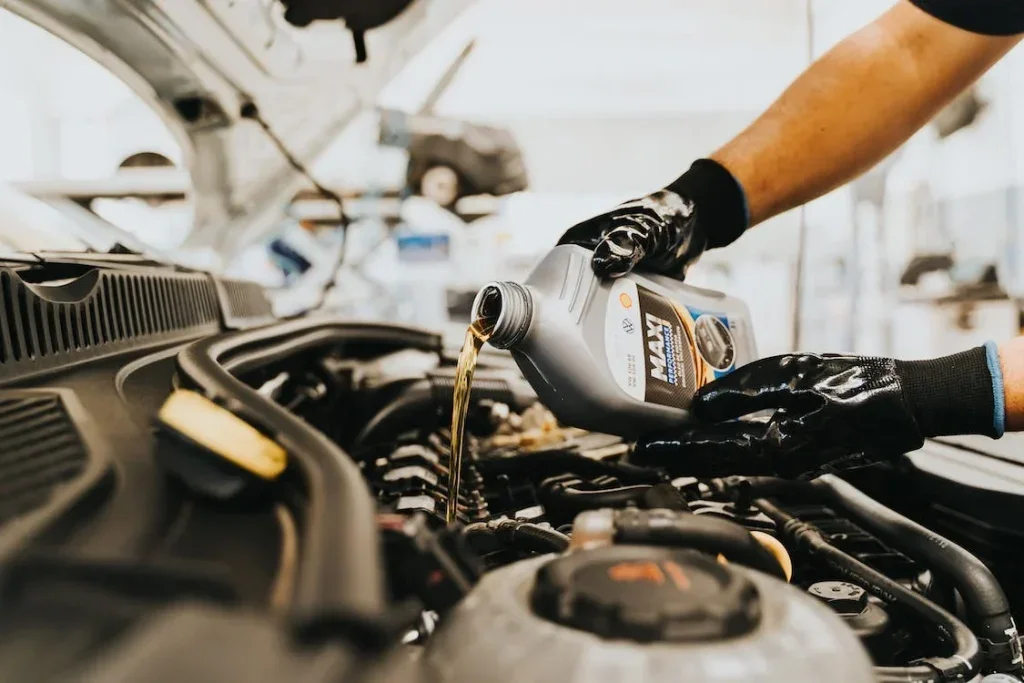
A regular oil change at your Chevy dealership is essential to ensure your engine is well-lubricated and purring like a kitten. Fresh engine oil will improve your Chevy's fuel efficiency and performance and ensure your vehicle continues to be a pleasure to drive for much longer. Photo by: Daniel Andraski via pexels.com more You Haven't Changed the Oil for Six Months Following the factory-recommended oil replacement intervals, every 5,000 to 10,000 miles or every six months, is essential to keep the moving engine components lubricated, prevent friction and wear, and ensure your Chevy stays on the road longer. Older Chevy models will need oil replacements more frequently than newer models. If you drive an older Chevy, the factory recommends an oil replacement every 3,000 to 5,000 miles or every six months. Check your owner's manual for your specific model's prescribed oil replacement intervals, or speak to your Chevy technician for more information. The OLMS Is On The modern Oil Life Monitoring System (OLMS) has significantly impacted the frequency of oil replacements. Chevy vehicles can now go for much more extended periods between oil replacements. The OLMS is designed to calculate multiple factors like driving conditions, mileage, speed, and engine temperature to determine when an oil replacement is necessary. The "Change Engine Oil Soon" light will turn on when it's time to schedule an oil replacement. It is highly recommended to replace your Chevy's oil at least every six months, regardless of whether your vehicle has an OLMS or not. With time, the oil can accumulate contaminants, lose its protective properties, and stop lubricating the engine components properly. This lack of lubrication can eventually lead to wear and cause severe damage to your engine. You've Been Driving Your Chevy Under Severe Driving Conditions The factory-recommended oil replacements may vary depending on whether you drive your Chevy under normal or severe conditions. If you drive carefully on well-maintained roads, the factory-recommended oil replacement intervals should keep your engine well-lubricated and running optimally. However, if you allow your car to idle for extended periods, often take short trips, drive on dusty and mountainous roads, use the brakes excessively, or tow heavy loads, you may need to replace the oil more frequently. Speak to your Chevy technician about your driving conditions to help you determine an oil replacement schedule best suited to your vehicle's specific requirements to ensure your engine stays lubricated, clean, and protected. It's vital to stay on top of your Chevy's oil replacements. Follow the factory-recommended oil replacement intervals, heed the OLMS alert, and never skip oil replacements to ensure optimal engine performance. If you haven't replaced your Chevy's oil in the past six months, call Orr Chevrolet of Fort Smith now for an oil replacement, and our certified Chevy technicians will ensure your engine runs smoothly.

car mufflerin fort smith arkansas

Does Your Chevy Need a New Muffler?

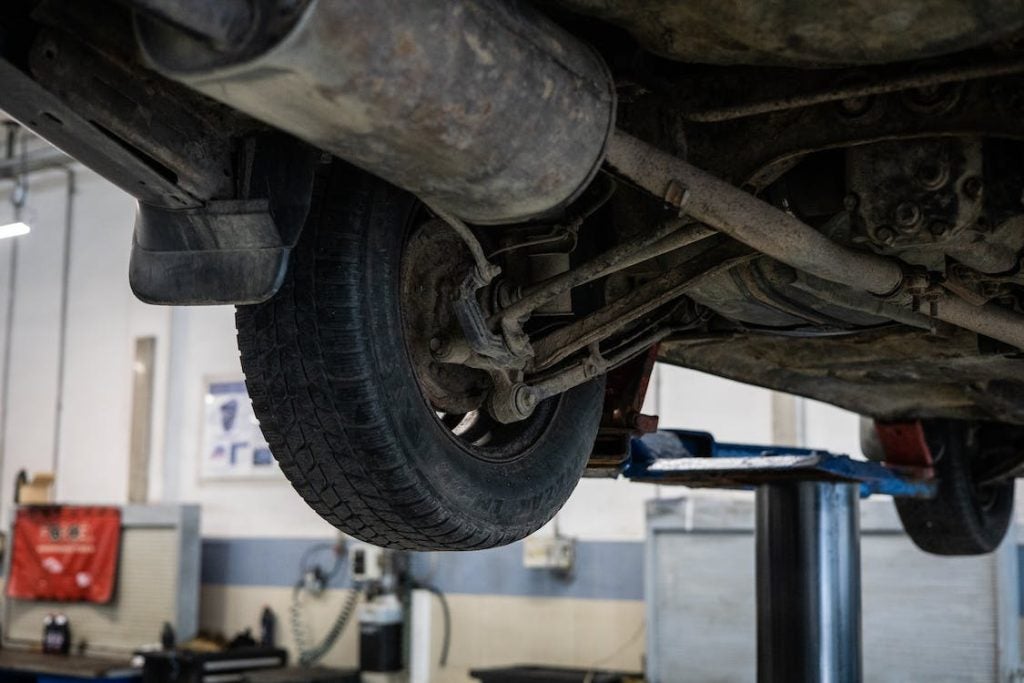
The main role of a car muffler is to muffle sounds from the engine so that your vehicle isn't overly loud. The muffler is also responsible for directing exhaust fumes, carbon dioxide, and carbon monoxide outside the vehicle so that passengers are safe. If you notice issues with your muffler, you need to visit your Chevy dealership quickly for the safety of yourself and your passengers. Photo by: Artem Podrez via pexels.com more There are three signs that your muffler needs to be replaced: poor fuel economy, excessive noise, and noticeable exhaust fumes. If your gas mileage is poor, this could be because your muffler isn't working correctly. If the cabin of your vehicle is filled with the scent of exhaust gases, then your muffler has an issue that is allowing harmful fumes to enter the passenger area of the car. Excessive noise generally refers to a very loud or rumbling engine. If your vehicle is so loud that you need to turn up the radio or raise your voice to be heard by other passengers, it's likely that your muffler is incorrectly aligned or has another issue. Your muffler may also rattle or drag on the ground. How Long Does a Car Muffler Last? You can usually expect your Chevy muffler to last for two to three years, which is around 40,000 to 80,000 miles for most drivers. However, your driving habits can have an impact on this estimate. If you frequently take your Chevy off-road and the undercarriage is scraped up, your muffler may need to be repaired sooner rather than later. Your muffler may also be damaged by snow, mud, and other wet road environments. How Long Does Muffler Repair at Your Chevy Dealership Take? When you take your car to the dealership for muffler repair, a Chevy mechanic will examine the condition of your muffler and the rest of your exhaust system. Replacing a muffler may only take half an hour to an hour, while patching holes in the muffler or the exhaust pipe can take another hour. It's common for our mechanics to also replace the mid-pipe of your exhaust system if your muffler is replaced, so your repair might take two hours. Is It Safe to Drive With a Broken Muffler? Just like you shouldn't drive your vehicle when it's overheating, it's also not a good idea to drive your car when you have muffler issues. Driving with a faulty exhaust system can expose you to dangerous fumes that can cause drowsiness and nausea, which isn't safe for drivers or passengers. If you have muffler issues, you should drive with the windows down until you can have your vehicle repaired. The muffler is a crucial component of your exhaust system. Whether your muffler needs to be patched or replaced, you should always schedule service at Orr Chevrolet of Fort Smith promptly.

chevy extended warranty in fort smith arkansas

What's Included in Chevy's Extended Warranty?

The factory warranty on your Chevy will expire after 36,000 miles, or three years. The new Chevy factory warranty provides bumper-to-bumper coverage, which gives drivers peace of mind. If you want to extend your vehicle's protection, you may want to purchase an extended warranty from your Chevy dealer. Photo by: Andrea Piacquadio via pexels.com more Chevrolet has two vehicle service contracts to extend the warranty on your vehicle. The Extended Limited Warranty is essentially an extension of your Chevy's bumper-to-bumper factory warranty when you first bought it. This plan covers all the same components for an additional two years. The total lifespan of the warranty on your new Chevy, when you purchase the Extended Limited Warranty, is five years or up to 60,000 miles. The second option is the Chevrolet Platinum Protection Plan, which will last for eight years or up to 100,000 miles.  This plan will cover over 1,000 vehicle components, which include the engine, transmission, drive axle, turbocharger, transfer case, steering, electrical, brakes, and safety restraint systems. Advanced features like heated seats, a blind-spot sensor, or a rear camera are also covered. Are There Additional Perks? When you purchase the Platinum Protection Plan, you will get the benefit of other perks to make your vehicle ownership more convenient. If your car breaks down because of a mechanical defect or covered damage, the cost of your rental car, towing service, and lockout services will be reimbursed. You can also be reimbursed for trip interruptions. Are There Other Protection Plans You Can Buy at Your Chevy Dealer? When you purchase a vehicle service contract from your dealership, you will be able to explore many other plans to protect your vehicles. Many drivers prefer to bundle a long-term warranty with specific vehicle protection plans to cover all their bases. Some of your options include: EV Protection Plan If you have just purchased a fully electric Chevrolet, then the EV Protection Plan is ideal for you. This plan will last for up to 100,000 miles and cover over 1,500 vehicle components. Your EV can be new, pre-owned, or leased to qualify for this plan. Tire and Wheel Protection The tires, wheels, and rims of your Chevy typically aren't covered by the factory warranty or extended coverage plans. Tire and Wheel Protection Plans can cover the cost of repairing wheel damage, replacing tires that are structurally damaged, and correcting cosmetic damage. These plans can last from one to seven years. Chevrolet owners have many options to consider when it comes to vehicle service contracts. The Platinum Protection Plan is ideal for drivers who want the maximum length of vehicle protection, especially for certified pre-owned and used Chevy vehicles. Contact Orr Chevrolet of Fort Smith to learn about all of your options today.

chevrolet OEM parts in fort smith arkansas

5 Reasons to Get OEM Parts From Your Chevy Dealer for Your Chevy

You have a choice between OEM parts and generic parts when you're buying replacement components for your Chevy. Ordering OEM components is easy, and you can request them right from your Chevy dealer. Let's look at why you should always opt for these OEM components over generic ones. Photo by: Alexas_Fotos via pixabay.com more 1. The Superior Quality Original Equipment Manufacturer parts are always of higher quality than their generic counterparts. The parts must live up to the manufacturer's quality standards, and they must be made according to the manufacturer's specifications. This means their quality is pretty much equal to the part that was originally in your vehicle when you purchased it. Generic parts don't need to be made to the same high standard of quality as OEM ones, so they may not last as long as OEM components. Often, generic parts are made of lower-quality materials and with lower-quality craftsmanship. 2. The Immediate Compatibility OEM components don't require any alterations to be fully compatible with the car and its other parts. Generic parts sometimes need modifications before they'll fit into your vehicle, as they're made to fit many vehicle models and brands with a little adjustment. Fitting generic parts will take longer due to the adjustments needed. Plus, the fact that they're not perfectly compatible with your vehicle can cause problems over time. 3. The Long-Term Cost Advantages Generic parts may be cheaper upfront, but they cost you more in the long run. You need to replace them more often, and because they don't always fit well, they may end up damaging other parts of your vehicle as time goes on. OEM components are easier to maintain and won't need to be replaced as frequently as their generic counterparts. 4. The Ease of Ordering If you're ordering parts yourself, then it can be difficult to track down aftermarket parts from trustworthy sellers. Plus, shipping times may be very long with generic parts. It's much easier to order OEM components, as you can do so right through your dealer's website. The dealer may already have the desired part in stock, and if they don't, then it usually doesn't take long for them to acquire it. 5. The Access to Expertise Dealership mechanics have incredible expertise regarding all Chevy vehicles. They understand how all of Chevy's components work across the makes and models, and they get continuous training on how to repair and maintain new models and parts. Having access to mechanics with expertise on your new parts will help them last longer, saving you time and money in the long run. Ordering OEM components is easy, and they last many years if they're properly maintained. Visit Orr Chevrolet of Fort Smith if you need any parts replaced. We always use OEM components, and our factory-trained technicians can maintain them for you as time goes on.

new chevy headlights in fort smith arkansas

Does Your Chevy Need New Headlights?

When darkness falls, or you find yourself driving through fog, your car's headlights become all-important for your safety. In order to keep your headlights at maximum brightness, it's best to visit your local Chevy dealer to replace failing headlights with new headlights, or repair faulty wiring, as soon as you can. Here are a few common headlight problems to look out for. Photo by: Pexels via pexels.com more Flickering Light When a headlight bulb begins to flicker, either the filament in the bulb is damaged, the wiring is loose, or the electrical power supply is faltering. If you replace the bulb with another one and the flickering stops, you know the problem was with the bulb itself. If the new bulb flickers too and other electronics are also having trouble, it's likely that either your alternator or battery is failing to deliver sufficient voltage. Otherwise, you'll need to have a technician take a look at the wiring behind the flickering headlight. Dimming Light If you notice the brightness of your headlights fade, a bulb might be faltering. Alternatively, dimming brightness may be caused by oxidized or dirtied headlight lenses, both of which you should be able to clean or have a technician clean for you. One Dying Bulb When just one headlight gives out, you can be reasonably sure the problem lies with that specific bulb or its wiring. Drivers normally need to replace headlights in pairs to avoid mismatched bulbs and also because when one bulb in a pair dies, the other one usually isn't far behind. High Beam Problems Headlights are divided into low beams and high beams, often with separate types of bulbs. It's possible to have issues with a single high-beam bulb or its wiring, which you'll usually need a technician to repair. Blowing Fuses Headlight fuses are designed to protect the headlights from erratic surges in voltage. If your headlight bulb fuse keeps blowing, then you have a problem with a bulb, wiring, or underlying electrical system. It's best to ask a technician to diagnose and fix the problem for you. How Frequently To Buy New Bulbs at Your Chevy Dealer There are multiple types of headlights in use today, primarily halogen bulbs, high-intensity discharge (HID) bulbs, and light-emitting diode (LED) bulbs. Halogen bulbs typically last for around 14 months of driving on average. HID bulbs last around 23 months and LED bulbs last an average of 42 months. If you're unsure which type of headlight bulbs your car currently uses, ask about it at your local dealership. If you're using halogen or HID bulbs, it may be possible to upgrade to longer-lasting LED bulbs. Visit Orr Chevrolet of Fort Smith today to have your headlights repaired or upgraded. We have a broad inventory of excellent vehicles, and we always aim to provide a hassle-free car purchasing or servicing experience.

new chvey tire auto service in fort smith, arkansas

Signs You Need To Visit Your Chevy Dealer for New Tires

​​​​​​​​​​​​​​​​​​​​​​​​​​​​​​​​Your tire's condition can be something that's easy to overlook. Many drivers will give their tires a quick look and then drive off. Unfortunately, worn or damaged tires are dangerous. Damaged tires can blow out, and this can easily result in an accident. As your Chevy dealer, we'd like you to know some of the signs you need to visit us for new tires. Photo by: Artem Podrez via pexels.com more Cracked Tires Car tires are made from high-quality reinforced rubber that has been vulcanized to provide extra protection. Even the highest quality rubber will eventually suffer wear and damage. Your tires are regularly exposed to surface abrasion, heat, cold, and UV rays from sunlight. All these factors contribute to your tires slowly losing their elasticity. As a tire becomes less supple and elastic, it can develop cracks. Environmental conditions and heat generated by friction with the surface will cause any cracks to slowly widen and deepen. Cracks in the rubber can lead to a leak or even a blowout. If you spot cracks in your tires, visit our service department and we'll examine your tires. If they're damaged, we can replace them for you. Worn Tread The raised areas of our tires comprise the tread. This tread allows your tires to securely grip the surface, making driving, cornering, and other maneuvers easier and safer. Tread slowly wears down over time, and as the tread decreases, you'll notice driving and braking become slightly slower and less responsive. A tire that has completely lost its tread is known as a bald tire. This type of tire is very dangerous to drive on as it provides no grip on the surface. A bald tire is also likely to cause your car to hydroplane if you're driving over water, mud, or ice. If your tread is less than 1/16" thick, your tires are dangerous to drive on and need to be replaced immediately. Tire Bulges A tire bulge is a raised area of your tire that's filled with air. A bulge usually forms if part of your tire has been pinched against a heavy object. If this happens, air remains trapped in the pinched section of the tire, and this causes a weakness. Bulges are more common on the sidewall, the section of the tire perpendicular to the surface, but they can also occur on the tread. As you drive, the air inside your tires naturally heats up due to friction. The air inside a bulge will also heat up and this can cause it to blow out. If you have a bulge in a tire, we recommend replacing it immediately to prevent an accident. If your tires show any signs of wear or damage, call our service department right away at Orr Chevrolet of Fort Smith.

faulty ignition coil

From Your Chevy Dealer: 5 Signs of a Faulty Ignition Coil

Your car's spark plug triggers the necessary combustion in the engine to get your car moving, but it would never have the voltage it needs to generate its spark with a faulty ignition coil. If your car exhibits any of the following symptoms, it might be time to bring it to your local Chevy dealer. Photo by: Mike Bird via pexels.com more 1. The Engine Won't Turn Over Easily Your car's battery does not produce the voltage needed to power the spark plug, so an ignition coil converts the energy provided. When problems with the coil occur, it becomes difficult (or sometimes even impossible) to start your car's engine. If your vehicle struggles to turn over, it is possible the ignition coil is not able to convert the 12 volts received from the battery to the thousands of volts the spark plug needs to get your car going. 2. The Vehicle's Fuel Economy Is Poor Perhaps you are not getting the same amount of miles per gallon of gas as you used to get? While it is not necessarily a sure sign of an ignition coil failure, poor fuel economy could be an indicator. When a vehicle's ignition coil fails to power the spark plug, the engine system will attempt to inject more fuel as compensation. 3. The Engine Misfires or Stalls If an ignition coil is no longer functioning properly, a vehicle may misfire or stall when it is idle. Also, this may happen when the car is brought to a sudden stop or accelerates. Irregular sparks from the spark plug will consistently put strain on the vehicle. For you and your passengers' safety, it is very important that you have a professional examine your car if this symptom arises. 4. The Exhaust Smells Like Gas The strain put on an engine from the misfires caused by a faulty coil can lead to increased emissions. The exhaust coming out of your vehicle's tailpipe may carry with it the smell of gasoline. 5. The Check Engine Light Is On This may seem a no-brainer, but if the indicator on your dashboard is telling you to check the engine, it is probably a good idea to do so. While it could be a sign of any number of possible car problems, coupled with any of the other symptoms on this list, you should not be surprised if your mechanic informs you your car's issues stem from a malfunctioning ignition coil. An ignition coil is an essential component of a car's engine; however, troubles stemming from a faulty one can be identified with some ease. Visit Orr Chevrolet of Fort Smith to have our professionals help you with all of your vehicle's needs.

chevy or cadillac electrical problems in fort smith arkansas

Is Your Chevy or Cadillac Having Electrical Problems? Visit Your Chevy Dealership Today

If you're experiencing dim headlights, electronic accessory malfunctions, or difficulty starting your Chevy Equinox or Cadillac CT4, your car's battery, alternator, or starter is likely on the blink. If you're having electrical problems, it's best to have your vehicle inspected and repaired by a qualified technician at your Chevy dealership as soon as possible. Photo by: Tina Nord via pexels.com more The Electronics Aren't Working Correctly If your car's electrical system is failing due to a weak battery, a malfunctioning alternator, or loose wires, your electronics will start acting up. One of the first things you'll notice is that the headlights and dashboard lights are dimmer, your windshield wipers, and windows are moving slower, and you may have trouble with the sunroof and heated seats. Some electronic accessories may stop working altogether. Your Battery Is Giving Trouble Your car's electrical system heavily relies on the battery. If your battery is old and weak due to corrosion around the terminals, a failing alternator, a bad battery cell, or loose or damaged battery cables, it will cause several problems. If you jump-start your car multiple times over a short period because your battery doesn't hold a charge, it's time to replace it. Typically, car batteries last around five or six years. If your battery is older than three years, have your technician test the battery regularly to determine if a replacement is necessary. It's Hard To Start Your Car If you're having trouble starting your car, it's not always due to a weak battery. Your car's alternator charges the battery and provides the necessary power to start the engine. If you hear a clicking sound when you turn the key in the ignition, it's likely that there's not enough electrical power to start the engine. Your Engine Sounds Rough If the spark plugs don't receive enough electrical charge, the fuel won't be able to combust properly inside the cylinders. This can cause your engine to sound rough, spluttering sounds from under the hood, sluggish acceleration, and a loss of power. You Struggle With Blown Fuses When your car repeatedly blows fuses, it could indicate an electrical issue. An item might draw too much current, causing the fuses to blow. Rather than continually replacing the blown fuses, ask your technician to identify the underlying issue and repair the problem once and for all. You Smell Buring Electrical Insulation If there's a smell of burning insulation, it is most likely due to the wires becoming overheated and melting the insulation. If you see smoke, you must pull over and call us right away for assistance. If you're struggling with any of the problems above, don't worry and let the experts sort it out. Call Orr Chevrolet of Fort Smith today for electrical repairs performed by highly qualified and skilled technicians.

tire rotation in fort smith arkansas

Advice From Your Chevy Dealer: 3 Benefits of Getting a Tire Rotation

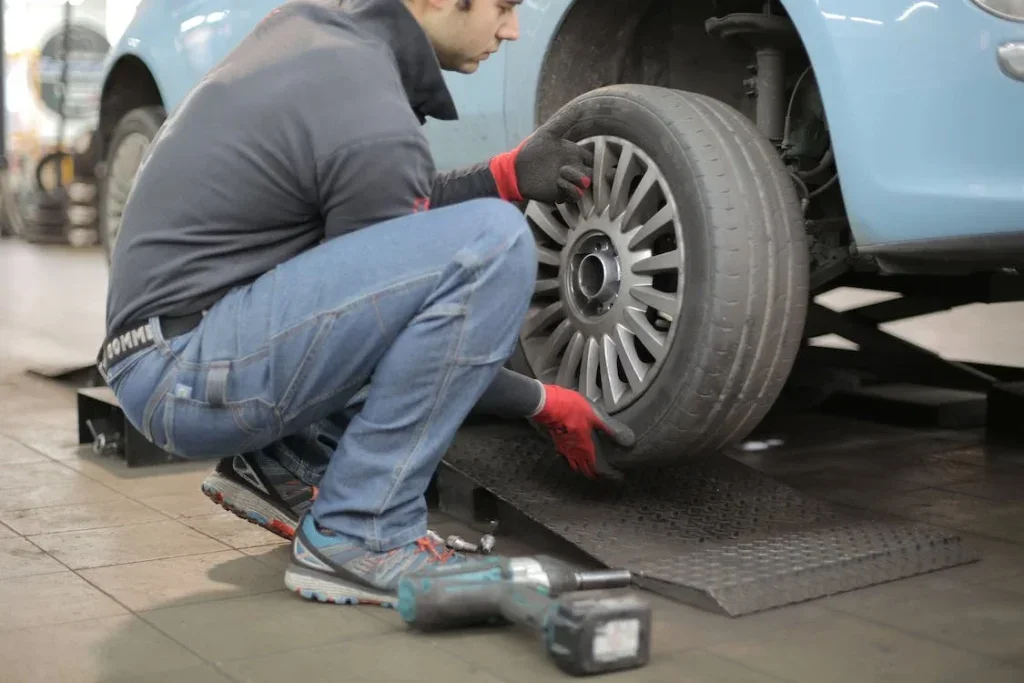
Tire rotation is an important part of your Chevy maintenance program. Your car tires are subject to wear and tear daily, and this will reduce their lifespan. Tires are expensive, and correct maintenance will allow you to enjoy them for longer. As your Chevy dealer, we want to tell you more about the benefits of visiting us to have your tires rotated. Photo by: Andrea Piacuadio via pexels.com more You Reduce Wear Modern tires are made from high-grade materials, but they will still wear out. Rubber gradually becomes less elastic and this makes them more easily subject to damage. In addition, the different tire positions on your car cause different types of wear. If a tire remains in the same position indefinitely, its worn areas will turn into leaks or even cause a blowout. Rotating the tires spreads this wear. Each tire is removed and it swops positions with another tire. The type of rotation we use differs depending on your drivetrain. FWD, RWD, and AWD drivetrains produce different wear patterns. During a rotation, we shift tires from positions of greater wear to positions of reduced wear. This allows your tires to all wear down at a reduced and relatively similar rate. You Save Money Rotating your tires saves you from more frequent tire replacement. After a rotation, your tires will wear down at a similar speed, and this allows you to plan for their replacement. In addition, a rotation reduces potential wear and tear on a variety of other car components, which saves you money on unnecessary repairs. Tires that aren't rotated place additional strain on your braking system, axles, steering, and suspension. When you hit the brakes, for example, a worn tire takes longer to slow down and stop. This increases the pressure in the braking system as you press the brake pedal down even harder. The heat this generates can lead to a warped wheel rotor, metal fatigue to the calipers, or leaks in the brake hoses. Your Car Performs Better Tires that are in good condition have a better grip on the road surface and improve driving safety and fuel efficiency. They enable your car to stop faster and more effectively when you hit the brakes, and this faster reaction reduces the potential for accidents. Fuel efficiency is improved, as tires that aren't rotated generate extra friction with the surface due to their wear patterns. Your engine has to work harder to overcome this resistance, and this means using more fuel. When your tires are rotated, you'll likely notice you have to make less frequent trips to the gas station. There are many other benefits to regular rotations. If you'd like to know more, or to book a rotation, call us at Orr Chevrolet of Fort Smith.

Contact Us

Fill out this form below and we'll contact you shortly
*Required Fields