




Owning a Chevrolet is a long-term investment, and the best way to protect that investment is by staying on top of routine maintenance requirements to keep your vehicle running properly. Regular upkeep helps you avoid costly repairs down the road and keeps your vehicle performing the way it was designed to. The good news is that most routine maintenance tasks follow a predictable schedule. When you understand what needs attention and when, it becomes much easier to stay ahead of potential problems before they turn into major headaches. Why Routine Maintenance Requirements Matter for Your Chevrolet Skipping scheduled maintenance might seem harmless in the short term, but the long-term effects can be significant. Routine maintenance requirements exist because your vehicle's components wear over time and need regular attention to function safely and efficiently. From the engine to the brakes to the tires, every system in your Chevy depends on consistent care. Neglecting even one area can create a ripple effect that impacts other parts of the vehicle. Staying current with your maintenance schedule is one of the simplest and most effective things you can do as a vehicle owner. Oil and Filter Changes One of the most fundamental routine maintenance requirements is regular oil and filter changes. Engine oil lubricates moving parts, reduces friction, and helps regulate engine temperature. Over time, oil breaks down and becomes less effective at doing its job. Most Chevrolet models have an oil life monitoring system that alerts you when it's time for a change based on your actual driving conditions rather than a fixed mileage interval. Pay attention to that alert and don't put it off. Using the right type of oil as specified in your owner's manual also makes a difference in engine longevity. Tire Rotation and Pressure Checks Tires wear unevenly depending on their position on the vehicle, which is why regular rotation is important. Rotating your tires every 5,000 to 7,500 miles helps distribute wear more evenly, extending the life of the tires and maintaining consistent handling and traction. Tire pressure is equally important. Underinflated tires can affect fuel efficiency, cause premature wear, and make your vehicle harder to control. Overinflated tires reduce the contact the tire has with the road, which can compromise grip. Check your tire pressure monthly and always reference the recommended PSI found on the sticker inside your driver's door jamb. Brake Inspections and Fluid Checks Your brakes are one of the most critical safety systems on your Chevrolet, making brake inspections a vital part of routine maintenance. Brake pads wear down gradually and catching them before they're completely worn out prevents damage to rotors and keeps stopping distances where they should be. In addition to the pads themselves, brake fluid should be inspected regularly. Brake fluid absorbs moisture over time, which can reduce its effectiveness and lead to a spongy brake pedal feel. If it's been a few years since your fluid was last replaced, it's worth having it checked by a trained technician. Air Filter Replacement A clean engine air filter allows your engine to breathe properly, supporting efficient combustion and protecting internal components from dust and debris. A clogged or dirty air filter can reduce engine performance and, over time, negatively affect fuel efficiency. Most manufacturers recommend inspecting the engine air filter every 15,000 to 30,000 miles, though this can vary depending on your driving environment. If you frequently drive on unpaved roads or in dusty conditions, you may need to replace it more often. Your cabin air filter, which keeps the air inside your vehicle clean, should also be replaced on a regular basis. Battery Testing and Coolant Service A weak or failing battery is one of the most common causes of unexpected breakdowns, yet it's one of the easiest things to monitor. Having your battery tested at least once a year, especially before cold weather sets in, is a smart part of any routine maintenance plan. Coolant, also known as antifreeze, keeps your engine from overheating in summer and freezing in winter. Over time, coolant degrades and loses its ability to protect the engine effectively. A coolant flush at the interval recommended in your owner's manual helps prevent corrosion inside the cooling system and keeps engine temperatures stable year-round. Visit Orr Chevrolet for Certified Service in Fort Smith, AR Keeping up with routine maintenance requirements to keep your vehicle running properly doesn't have to be complicated. When you work with a trusted service team, it becomes a straightforward and stress-free part of vehicle ownership. Drivers throughout Fort Smith, Arkansas, can count on the certified service team at Orr Chevrolet for everything from oil changes and tire rotations to brake inspections and battery testing. Visit Orr Chevrolet to schedule your next service appointment and keep your Chevy performing at its best for years to come.
All
Orr Chevrolet of Fort Smith Service
Fort Smith Chevrolet Dealer
Fort Smith Community
Fort Smith Chevrolet Service
Orr Chevrolet of Fort Smith Chevrolet
Chevrolet Maintenance Tips
Chevrolet Review
2026 Chevrolet Silverado 1500
2026 Chevrolet Tahoe
2026 Chevy Colorado
2026 Chevrolet Silverado 2500
2026 Chevrolet Silverado Lineup
Chevrolet SUV
Oil Change Service Mileage Recommendations, Benefits of Routine Service, and the Risks of Neglect
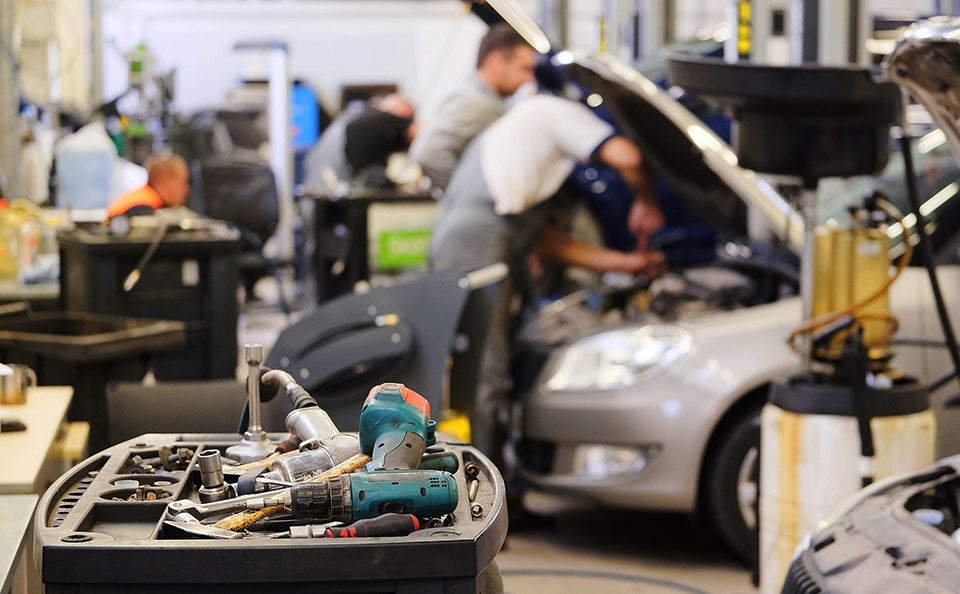
At Orr Chevrolet of Fort Smith, we see firsthand how regular oil change service plays a critical role in vehicle longevity, performance, and overall ownership cost. While oil changes may seem routine, they are foundational to engine health and one of the most important services drivers can stay consistent with. Understanding recommended oil change intervals, the benefits of proper maintenance, and the potential consequences of neglect helps drivers make informed decisions that protect both their vehicle and their investment. Recommended Oil Change Mileage Intervals For most modern Chevrolet vehicles, oil change intervals typically range between 5,000 and 7,500 miles, depending on engine type, oil grade, and driving conditions. Vehicles using full synthetic oil can often operate safely at the higher end of this range, while conventional oil generally requires more frequent service. Many newer Chevrolet models are equipped with an Oil Life Monitoring System that evaluates engine temperature, driving habits, load, and operating conditions to determine when service is actually needed rather than relying on a fixed mileage number. However, mileage alone does not always tell the full story. Drivers in Fort Smith who frequently take short trips, idle for extended periods, tow trailers, carry heavy loads, or drive in extreme heat may need oil changes more often. These conditions cause oil to degrade faster, reducing its ability to lubricate and protect internal engine components. In these cases, servicing closer to 5,000 miles helps maintain optimal engine performance and reliability. The Benefits of Regular Oil Change Service Fresh engine oil performs several essential functions simultaneously. First, it lubricates moving components, reducing friction between metal surfaces that operate at extremely high speeds. This lubrication minimizes wear on critical engine parts such as pistons, crankshafts, camshafts, and bearings. Without clean oil, these components experience accelerated degradation that can shorten engine life significantly. Oil also plays a vital role in temperature regulation. As the engine operates, oil absorbs heat generated by combustion and friction, helping maintain stable operating temperatures. Over time, old oil loses its ability to manage heat effectively, increasing the risk of overheating and thermal stress. Regular oil changes help maintain proper cooling and reduce strain on engine systems. Another key benefit is contaminant removal. Engine oil naturally collects dirt, carbon deposits, moisture, and metal particles as it circulates. Fresh oil and a new filter remove these contaminants before they can circulate repeatedly through the engine. This cleaning effect improves efficiency, supports smoother operation, and helps maintain consistent fuel economy. Routine oil changes also support long-term value. Vehicles with documented maintenance histories typically retain higher resale and trade-in values. Staying on schedule helps protect warranty coverage and reduces the likelihood of unexpected repairs, offering peace of mind for drivers who rely on their vehicle daily. Potential Maintenance Issues Caused by Skipping Oil Changes Failing to maintain proper oil change intervals can lead to a cascade of mechanical problems, many of which begin silently. As oil ages, it thickens and loses its lubricating properties. This increases friction, causing engine components to grind against one another instead of gliding smoothly. Over time, this friction accelerates wear and can lead to premature engine failure. Sludge buildup is another serious risk. Old oil can break down and form thick deposits that clog oil passages and restrict circulation. Once oil flow is compromised, critical components may be starved of lubrication entirely. Sludge-related issues often require extensive engine cleaning or, in severe cases, full engine replacement. Overheating is also a common consequence of neglected oil service. When oil loses its ability to dissipate heat, engine temperatures rise beyond safe thresholds. Persistent overheating can warp components, damage seals, and lead to head gasket failure—repairs that are significantly more costly than routine oil service. Reduced fuel efficiency is another warning sign. Engines operating with degraded oil must work harder to overcome friction, resulting in increased fuel consumption. Drivers may notice more frequent trips to the gas station, sluggish acceleration, or rough idling as internal resistance increases. In extreme cases, lack of oil maintenance can cause catastrophic engine damage. Bearings can seize, pistons can score cylinder walls, and engines can fail without warning. These failures often occur suddenly and leave drivers stranded, requiring major repairs or complete engine replacement. Why Professional Oil Service Matters At Orr Chevrolet of Fort Smith, oil change service goes beyond draining and refilling. Our certified technicians inspect oil condition, replace filters designed specifically for Chevrolet engines, and check related components that can reveal early signs of wear or leaks. This proactive approach allows small issues to be addressed before they escalate into costly repairs. Using manufacturer-recommended oil grades and filters ensures proper viscosity, pressure, and protection for your engine. Professional service also ensures that maintenance intervals are accurately tracked, supporting warranty requirements and long-term reliability. Protecting Your Vehicle Starts with Routine Maintenance Regular oil change service is one of the simplest yet most impactful ways to protect your vehicle. Staying within recommended mileage intervals helps preserve engine performance, improve efficiency, and reduce the risk of expensive mechanical failures. Neglecting this essential service can compromise reliability, safety, and overall ownership value. At Orr Chevrolet of Fort Smith, we encourage drivers to treat oil changes not as an inconvenience, but as an investment in their vehicle’s future. With consistent care and professional service, your Chevrolet can continue to deliver dependable performance mile after mile.
How to Find a Quality Collision Repair for Your Chevy or Cadillac
Accidents can happen at any time, and your car could be damaged. As your Chevy dealer, we have the technicians and equipment to return your car to showroom standard again. We'd like to tell you more about how we provide the high-quality collision repair you and your Chevy deserve. Check-In When your Chevy arrives at our repair center, we'll assign one of our Chevrolet-trained technicians to assess the level of damage. As a preliminary step, we wash your car's exterior to remove any traces of the accident and reveal any hidden damage. Our technician will complete a video and written report on all visible damage. This report is used as the basis for the repair plan. Estimate Once the report is complete, we'll provide you with an estimate for the repairs. We'll also answer any questions you have about repairs or costs. If your insurance is arranging the repairs, we'll ask you for their details and send the estimate to them. Our team has extensive experience in working with insurance companies and assessors. We'll assist your insurance company with any information they require. Repairs Once we receive authorization from you or your insurance company, we'll put the repair plan into action. Our parts shop has a comprehensive range of Chevrolet parts, and we can swiftly order any additional parts that are needed. We only use genuine Chevrolet parts to ensure the highest-quality repair for your Chevy. These parts are designed to fit your car perfectly and match all necessary safety and structural requirements. The exact procedure varies depending on the extent of the damage. If the damage is extensive, we'll have separate teams working on the interior and exterior of your car at the same time. Using multiple teams reduces the repair time and allows us to return your car faster. Painting Genuine Chevrolet parts are already primed and ready for painting. Our paint technicians will color-match your car, then paint and seal the required sections. If any exterior sections of your car require painting before attaching the new parts, our technicians will prime, paint, and seal them too. Quality Control Once the repairs are complete, our quality assessment team will review and assess the repair work. All our repairs meet the standards required by Chevrolet for a quality repair. Our repair work carries a warranty, and the replacement parts are guaranteed by Chevrolet. Collection When your Chevy has passed quality control, it will be thoroughly cleaned and prepared for your arrival. We look forward to you seeing your Chevy in pristine condition once again. If you'd like to arrange a repair, call our service department at Orr Chevrolet of Fort Smith. Image by paperelements from Pixabay
Is Your Car AC Not Working? Stop By Your Chevy Dealer Today
Summertime is the perfect time to take a road trip, but what do you do when your car's AC suddenly stops working? Is your car AC not working? Don't worry; we're here to help. Here are some warning signs to look out for when your AC is faulty and you need to take it to your Chevy dealer. Strange Noises in the Car If you're driving and you hear a noise that sounds like someone is repeatedly running their fingernails down a chalkboard, it might be a sign that your car's AC is on the fritz. These strange noises are usually caused by a build-up of ice on the AC unit's evaporator coils. When the coils get too cold, they can cause the refrigerant to turn into a gas, which makes a loud hissing noise. If you notice this noise, it's best to take your car to a mechanic so they can check the AC unit and make sure it's working correctly. Faulty Air Conditioning One way to tell if your car's AC is not working is if the air from the vents is not cold. It can be caused by several issues, such as a low refrigerant level or a faulty compressor. It's essential to take your car to a mechanic for analysis and repair if you find that the air conditioning isn't blowing chilly air. Foul Odors in the Car Your car's air conditioning system may need maintenance if it emits unpleasant smells. The development of mold and mildew in the evaporator coils is most likely the cause of the foul odor. If you notice this terrible smell, we advise you to take your car to a professional to have the AC system serviced. The mechanic will inspect the coils and clean them if necessary. This process will help to eliminate the foul odor and improve the performance of your car's AC system. Jammed Suction Lines The air conditioner in your automobile is a complex system with numerous components that all work together to cool the air inside the vehicle. The suction line, which draws the refrigerant from the evaporator, is one of the most crucial parts of this system. The air conditioner may not function effectively if this line is obstructed or constrained, resulting in a very uncomfortable ride. A build-up of dirt and debris is a common problem that can result in clogged suction lines. If you're experiencing any of the symptoms discussed in this post, it might be time to give your car AC a check-up. Contact us at Orr Chevrolet of Fort Smith, and our team of experts will take care of everything for you. We know how important it is to keep your car running cool all summer long, so don't wait – schedule an appointment today! Image by Karolina Grabowska from Pixabay
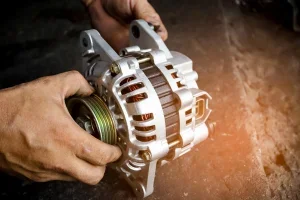
Signs That You Need an Alternator Repair at Your Chevy Dealer
Alternator problems aren't familiar to many drivers. The reason for this is that many of the signs that you need an alternator repair can appear to be caused by other components. As your Chevy dealer, we'd like to tell you about some of the problems that can affect your alternator. If you experience any of these problems, we can speedily fix them for you. Blown Fuse Your alternator is the power generator of your Chevy. It works tirelessly from the time you switch on your engine to produce the electricity your car requires. The alternator, like any other electrical system, is controlled by a fuse. The fuse is designed to protect your alternator from damage by blowing and shutting down the alternator. While this protects your alternator, it can cause problems for your car. A blown alternator fuse will immediately shut off the alternator. If the alternator isn't working, your battery will have to supply power if your car is moving. You'll see a warning on the dash as the battery light will illuminate. A car battery isn't designed to provide all of your car's power, and this will cause your battery to fail. Once we replace the blown fuse, your alternator will work normally again. Flickering Lights Flickering lights are great at a party, but they're a bad sign if they're happening in your car. The lights in your car should maintain a steady luminescence. If the lights start to flicker, this is a clear indication that there's a problem in the electrical system. Two possible causes of flickering lights are an alternator problem or a wiring problem. Electricity produced by the alternator travels to the various components through a complicated wiring system. If any of these wires suffer damage, the power supply will fluctuate, and the lights will flicker. A damaged alternator may also be supplying less power than your car's systems demand. The reduced power supply means electricity has to be shifted between components, and this will cause the lights to flicker. Worn Alternator Belt The alternator belt is one of the most important belts in your car. It connects a variety of different components, including the alternator, to the crankshaft. As the crankshaft turns, the alternator belt moves over a system of pulleys. Its movement causes each pulley to spin, and this powers each component. The alternator belt is made from reinforced rubber, but it can suffer damage. The belt moves at high speed across the pulleys. To ensure your belt is in good condition, we check it as part of your Chevy's service schedule. A worn belt can also lose some of its tension. If the belt becomes slack, it will affect your car's power generation. You may hear thumping sounds from a loose belt or screeching noises from a belt running slightly off track. Worn alternators produce strange problems. If you're experiencing any electrical anomalies, call us right away at Orr Chevrolet of Fort Smith.
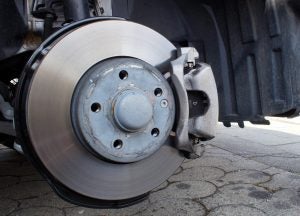
3 Signs Your Chevy May Need a Brake Repair
To keep your car's brakes working perfectly, they must be checked and serviced regularly. When your brakes are working correctly, you have the security of knowing that you can control your car's speed with ease. Worn or damaged brakes can put you and your car in danger. These are some of the signs from your Chevy dealer that you're going to need a brake repair. Squealing Brakes When you apply the brakes, they should work silently and efficiently. If you hear squealing sounds when you mash the pedal, this is a sign of a brake problem. Brake fluid under pressure causes the brake calipers to close on either side of your wheel rotors. The brake pads inside the calipers generate the friction resistance that brings your wheel rotors to a stop. Your braking system is subject to wear, and parts can be affected by moisture from water, mud, and snow. If your brake calipers aren't regularly checked according to your car's service schedule, they can start to rust. Rusted metal is noisy when it moves, and it's also more difficult to get rusted metal to move. The squealing sound can be caused by rusted metal pads or calipers. Our technicians can easily fix this problem. Screeching Brakes Your brake pads serve the important function of bringing your rotors to a stop. They have a friction material covering that is 1/2" thick, and this will rapidly slow and stop your car. The friction material on the pads wears off, and the pads will gradually become thinner. The manufacturers of the brake pads install a warning device in the pads to remind you that it's time to change them. The warning system in the pads isn't subtle. It's a metal spike that is buried in the pad material. When the pads drop to 1/4" thick, this spike is revealed. The spike will scratch against the meta wheel rotor the next time you apply the brakes. This contact makes a loud screeching sound, and it's a clear warning that your pads need to be changed ASAP. Overheated Brake Fluid Your braking system is controlled by hydraulic pressure. This pressure is generated by the brake fluid. When you step on the brake pedal, brake fluid is pumped into the rubber brake hoses. When you take your foot off the pedal, the fluid is drawn back to the brake fluid reservoir to cool. If you ride your brakes, the brake fluid is kept under pressure in the hoses. High pressure generates heat, and the hot brake fluid in the hoses can quickly overheat. If you smell a hot chemical odor, your brake fluid could be overheating. We advise pulling over ASAP and allowing the fluid to cool. Once the fluid has cooled, come into our service department so our technicians can check your braking system. If you have any problem with your brakes, call us immediately at Orr Chevrolet of Fort Smith. Our expert technicians will find and repair the problem. Image by Ralphs_Fotos from Pixabay
5 Services You Can Always Find at Your Fort Smith Cadillac Dealership
To keep your Chevy or Cadillac in great condition for as long as possible, it's important to take good care of it. Ideally, this means periodical servicing with technicians who specialize in Chevrolets and Cadillacs and love these car makes as much as you do. The following are five essential services every driver needs to have done often, all of which are available at your local Cadillac dealership. Full-Service Oil Change Your engine requires regular oil changes to keep functioning well. Under all that constant heat and pressure, engine oil breaks down and becomes dirty. Once every six to 12 months, you'll need to have it flushed out and replaced. With a full-service oil change, your mechanic also checks all the other essential fluids in your car. They'll replenish or replace these fluids where necessary. This includes checking your washer fluid, brake fluid, power steering fluid, transmission fluid, battery fluid, radiator, radiator overflow jug, air filter, and serpentine belt. Tire Rotation Tires can wear down unevenly due to varying weight or pressure at the front or back of your car. To help counter this and help your tires last longer, you should get them rotated once every six months or so. During the visit, the technician will also inspect your tires carefully for signs of damage. They'll patch, replace, or repair any tire that needs it. It's essential not to neglect your tires, as they really are the legs of your car. Wheel Alignment One common cause of uneven tire wear is slightly misaligned wheels, which can be difficult to detect. If you ever feel like your car is tugging off to one side, veering away from straight lines, then it's likely that one or more of your wheels are misaligned. Misalignment can be caused by a bump against a curb or some other knock that you might not have noticed. If left unfixed, misaligned wheels can lead to worsening handling, tire damage, suspension problems, and other trouble. It's best to have the professionals at your local dealership straighten them out as soon as you can. Brake Service No other part of your car is more important for safety than your braking system. It's wise to have your brakes inspected every six months, or whenever you have your oil changed or your tires rotated. The most common parts of the braking system to wear down are the brake pads, which typically need replacing once every 10,000 to 20,000 miles, depending on your driving style and environment. Engine Diagnostic Even with such a smoothly-functioning machine as a Cadillac's engine, it's a good idea to have it checked for possible problems once a year. It's always better to catch issues early on and get them fixed before they develop into something more expensive and dangerous. You'll be able to get an engine diagnostic test at your local Cadillac dealer, where both computerized and manual methods will be used to examine your engine and other major car parts. To have any of these services carried out on your Chevy or Cadillac by experienced professionals, visit Orr Chevrolet of Fort Smith. We have an expansive inventory of new and used vehicles and a dedication to providing everyone who walks through our doors with the very best in customer service.
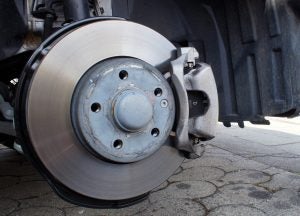
Does Your Chevy Need a Brake Repair?
Safety is paramount while driving your Chevy vehicle, and your brakes are the first line of defense. To make sure they're functioning properly, it's important that you get them checked by a professional once a year or every 25,000 miles. However, should you encounter problems in between those inspections, make sure you bring your vehicle in to your Chevy dealer for brake repair right away. Here are some signs that your brakes might be failing. Find Out at Your Chevy Dealer if Your Vehicle Needs a Brake Repair Your Brakes Are Sounding Off Chevy manufactures your brakes in such a way that will warn you with a piercing tone should your brake pads wear down. This is due to an exposed piece of metal that brushes against the rotors, creating the noise you hear. Glazed or warped rotors could also be the reason for the warning sound coming from your brakes. If the rotors are glazed, you'll notice a dark ring or blue marks on them. Warped or glazed rotors can spell trouble for not only your brakes but your safety as well. The Brake Pedal Feels Soft or Spongy There are a number of reasons this happens, and it's a sure sign that your brakes need to be professionally inspected before they fail on you. Some common reasons for a soft or spongy brake pedal include: Worn out rear brake shoe Leaky disc brake caliper Air in the brake line Damaged master cylinder Leak in the brake line Old or contaminated brake fluid Your Brake Pedal Is Vibrating When engaging your brakes, if you feel a vibration, it is a sign that the rotors are warped. Bring your vehicle in to a technician for repair as soon as possible. Also, be careful going forward that you don't brake too harshly, as this is one of the main causes of a warped rotor. Your Vehicle Takes Longer to Stop Being able to stop quickly is an important safety issue, for you as well as other inhabitants of the road. If your vehicle is not slowing down timely when you brake, you need to stop driving immediately. It's just too dangerous. Call a tow truck and have them deliver your vehicle to your dealer to inspect. Leaking Brake Fluid Brake fluid is crucial in allowing your vehicle to stop safely. The fluid does not evaporate over time, so low levels of brake fluid and/or a puddle on your driveway that looks like a less slimy version of motor oil are indications that your brakes are leaking fluid. Leaking fluid can and will eventually lead to brake failure, so don't take this issue lightly. Bring your vehicle to your dealer for a proper brake inspection and repair before you endanger yourself and others. If you notice any of these issues, or your brakes just don't seem to be performing as they should, be sure to consult a professional straightaway. See us on the double at Orr Chevrolet of Fort Smith for all your Chevy maintenance needs.
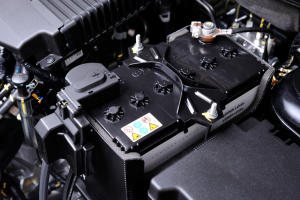
5 Signs It's Time for a New Car Battery
Dealing with a faulty battery can be a hassle, but you shouldn't let that slow you down. If you need a new car battery, your local Chevy dealer in Fort Smith, AR can help. Here are some of the signs you might notice when it's time for a new battery. 5 Signs It's Time to See Your Local Chevy Dealer in Fort Smith, AR for a New Car Battery 1. Your Car Won't Start So you have hopped into your vehicle, and it just won't start. Don't freak out yet. If it is just the battery, then it will be an easy fix. See if someone can help you jumpstart your vehicle, and once you get it started, take it in for service right away. If you can't even get it started, call your local dealership to see what you should do next. They will help you find out how to get your car the battery it needs. 2. You Need Frequent Jumps If you are consistently needing a jump to get you going, then you might have a battery problem or something even worse. While it may seem inconvenient to have to go in for service, it is a lot better to have a reliable vehicle. Fortunately, you can find many great deals available online at your local dealership. Take your car in for service as soon as you start having these problems, and you will save yourself a lot of trouble. 3. Weird Electrical Issues If you have any issues with your lighting or with your electrical components, then you should consider the battery. If you take your vehicle in for service, your technician will be able to tell you if your problem is because of a bad battery, or if it is something more serious. Either way, it will need to be fixed before it becomes an even bigger problem, so you shouldn't put it off. 4. Visible Battery Deterioration Sometimes you can look at your battery and see that it isn't in great shape. If you notice that your battery is corroded, or if it seems bloated, then you should consider it time to replace that old battery. Any visible battery deterioration is a bad sign, and it could even be dangerous. Therefore, take your vehicle in to have the battery replaced as soon as you know it isn't right. 5. Your Battery Is Old After a while batteries wear out, if your battery hasn't been changed in a few years, and you are noticing other signs of problems, then this is a good indicator that it is time for a new one. Car maintenance can be stressful, but you don't have to deal with it alone. Contact us today at Orr Chevrolet of Fort Smith, and we can help you with any of your automotive needs. We offer top-quality customer care, well-qualified technicians, and amazing deals. So if you need a new car or a new battery, let us help you out. We look forward to seeing you soon!
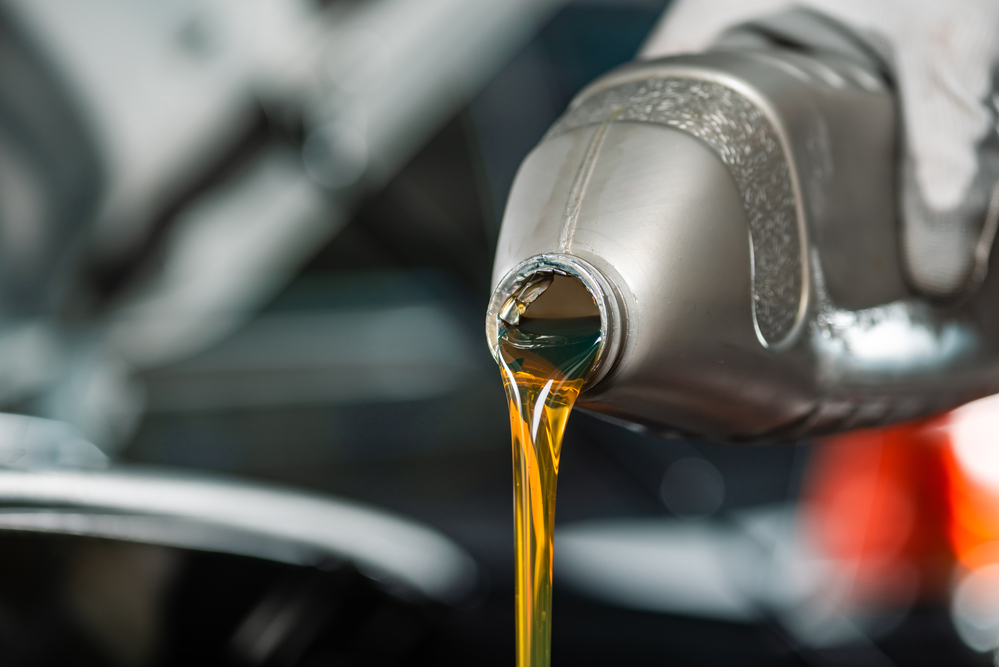
How Often Should You Get Your Chevy Oil Change?
At Orr Chevrolet of Fort Smith, we know firsthand how important a well-timed Chevy oil change is for maintaining engine health and ultimately extending the life of your car. The standard recommendation for many cars is an oil change every 3,000 to 6,500 miles. Most newer cars are engineered to go a bit longer than this, however. Here are some things to think about when considering the timing of your next oil change: How You Drive First off, you should be aware of the manufacturer's guidelines for oil changes for your specific make and model. When you look this up in your car's manual, you will probably notice that Chevrolet recommends more frequent oil changes for cars that drive under certain "extreme" conditions. Some of these extreme conditions include recurrent long-distance commutes or travel and rare use of the car (fewer than 10 driving miles a week). If you drive a lot on wet or salty roads, this could also be considered an extreme condition. Furthermore, if you live in a place with either harsh winters or harsh summers, it can affect the quality of your car's oil as well as its levels. Chevy Oil Change Warning Signs When your car is in need of an oil change, it may tell you with some common signs. If you've gone 5,000 or more miles since your last oil change, pop the hood and look at the color of your car's oil. In most cases, if it's dark brown or black, you're overdue for an oil change. If it's light amber in color, it's probably not time to get one yet. If you smell burnt oil while driving, pull over to your nearest Chevrolet service center ASAP. This could either mean you are long overdue for an oil change or that there's a leak in your engine (a much more serious problem). Oh, and if your car has an oil life indicator light, and it has switched on, this is a pretty obvious sign it is probably time for an oil change. The Type of Oil Your Car Uses If your Chevy requires the use of full-synthetic motor oil, you might be able to go up to 15,000 miles between oil changes. This, of course, is not the case for most motor oil options. Be sure to check your car's owner manual to see what kind of oil it recommends for your make and model. Oh, and don't forget to top off your car's engine oil if possible between oil changes, or feel free to stop by our service center so we can top it off for you! Oil changes might be one of the simplest things you can do to maintain your car, but they are also one of the most critical! If you know you are overdue for an oil change, schedule one at Orr Chevrolet of Fort Smith Service Center. We pride ourselves on quick, high-quality work and oil changes you can trust. We know what's best for your Chevy!
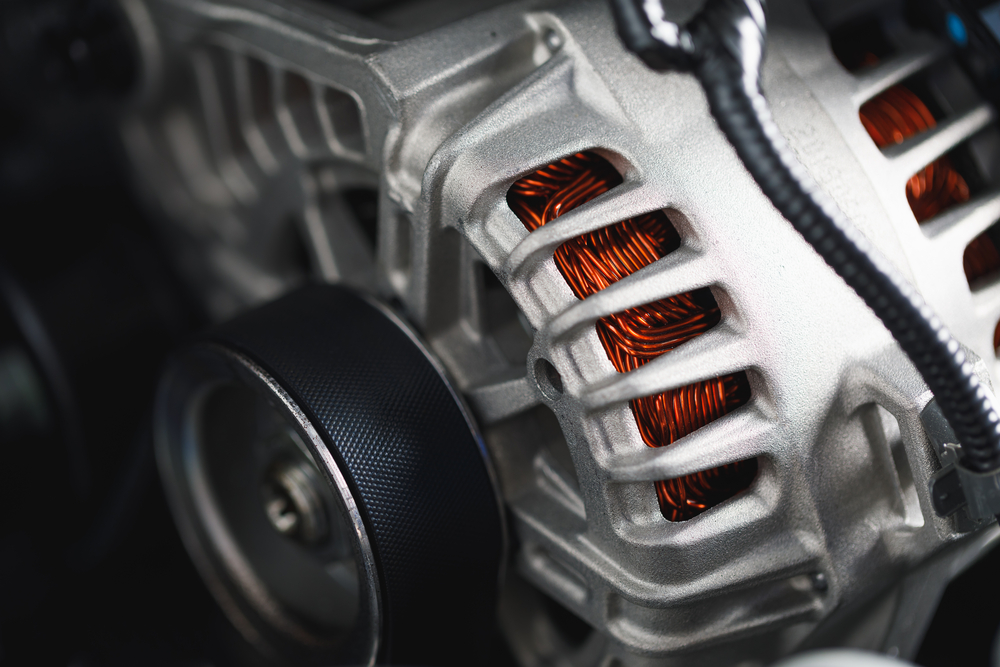
Is Your Car Telling You It Needs an Alternator Repair? 5 Top Signals
Your car's alternator is essential to your vehicle's performance. The alternator works alongside your car's battery to power the entire vehicle, which is why it's imperative that you are aware of when your vehicle is in need of alternator repair. Let's take a closer look at some of the signs that your vehicle is having alternator-related issues. 1. Weak Headlights Your alternator is a key component in your vehicle's electronics functioning properly. This is why one of the first telltale signs of an alternator issue is the problem with your vehicle's electronics, such as its headlights. If your headlights flicker or appear dimmer than usual, that may be a sign that your alternator is experiencing issues that are causing it to underperform. 2. Electrical Failure Although the headlights are the most obvious electrical components of your vehicle, most of your car is also powered by electricity. Power windows, locks, dashboard lights, air conditioning, heating, and your car's radio are all also powered by the electricity generated in part by your alternator. If any of these functions begin to fail or stop performing properly, this could be a sign that your alternator is experiencing issues and needs to be checked by a professional vehicle technician. 3. Unusual Noises Strange noises coming from your vehicle could be indicative of many different issues, but it's important to keep in mind that the issue could be a problem with your alternator. Because the alternator works directly with your car's engine, oftentimes if the alternator begins experiencing problems it will affect the engine directly. This can lead to bearing failure in the engine which is usually accompanied by strange rattling noises as you drive. If your vehicle begins making these strange noises, it's always best to have it checked out by a professional technician who can properly diagnose the problem and cause of the unusual noises. 4. Problems Starting If your vehicle is having problems starting, it's not always a sign that your battery needs to be replaced. Sometimes it is a sign that your alternator is experiencing issues that are preventing it from properly assisting in the flow of electricity within your vehicle. If your car begins stalling or having issues starting, it is best to bring it in to a professional technician who can determine if the problem resides in your battery or your alternator. 5. Check Engine Light The easiest way to tell if there's an issue with your alternator is if one of the dashboard's diagnostic lights turns on. Sometimes a vehicle will have a specific light to indicate alternator problems but alternator issues are usually indicated by the standard Check Engine Light. Anytime this light appears on your dashboard, it is important to have a professional properly diagnose the issue before assuming what the light is trying to tell you. An essential part of ensuring the continued health of your alternator and your vehicle is routine maintenance. Call Orr Chevrolet of Fort Smith at (479) 259-2047 to schedule routine maintenance and check on your alternator today!
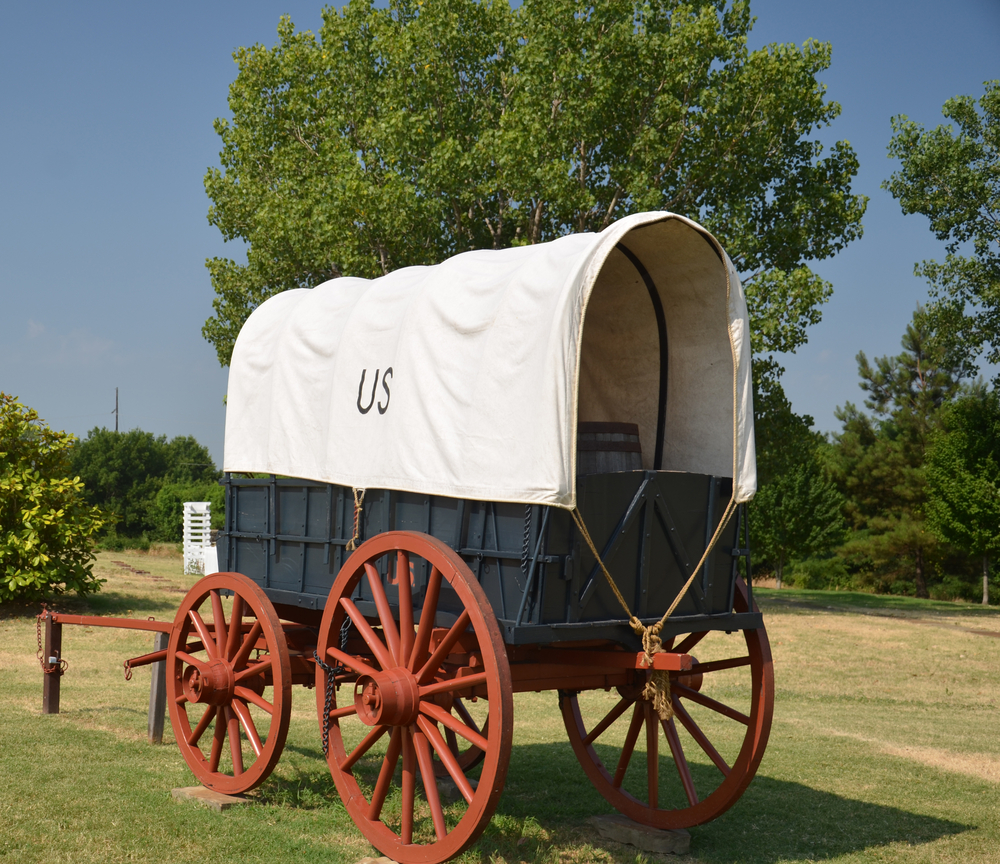
Five Top Sites to See in Fort Smith, AR
Nestled along the beautiful Arkansas River, Fort Smith, AR is rich in American history and pristine scenery. The area originated as a military post during the frontier era, and to this day, there are still a variety of historic sites to explore as well as new places to visit and enjoy. At Orr Chevrolet, we are glad to be a member of this thriving small town that has so much to offer to visitors and residents alike. 1. Fort Smith National Historic Site This historic site is the place where the original fort was established in 1817 during the frontier period. Visitors have access to original records, photos, and exhibits that share the history of the fort's soldiers, the Trail of Tears, wild outlaws, and much more. The site also makes for a lovely repose on one of the shaded benches among the beautiful trees and landscaping. 2. Clayton House The Clayton House is a historic mansion that offers guided tours and can also be booked for special events and weddings. The stunning mansion features coal-burning fireplaces, period furnishings, and elegant design. Visiting this austere destination is like taking a step back in time into a living history book. 3. Core Public House Enjoying an Arkansas-brewed craft beer in a local taproom is hard to beat. The Core Public House is a locally owned and operated taproom and brewery that treats all of its visitors with true southern hospitality. The local brews are crafted with small-town pride and careful diligence to ensure that they are always of the highest quality. Of course, when visiting, remember alcohol is for those of legal drinking age. It is also important to drink responsibly and never drink and drive. 4. Fort Smith Trolley Museum Before being replaced by automobiles, many towns and cities relied on public transportation that used streetcars and trolleys. This important piece of history is proudly preserved at the Fort Smith Trolley Museum. The museum is home to 4 of the original 58 streetcars that were used in the area, as well as a rail collection, passenger cars, motor buses, freight cars, and much more. 5. Parrot Island Waterpark Parrot Island Waterpark is a fun oasis retreat that features a wave pool, FlowRider, a lazy river, and tons of waterslides and tubes. The whole family is in for a treat at this favorite summertime destination. Enjoying a tropical getaway at Parrot Island Waterpark is a great way to beat the heat, relax in a cabana, and pamper the entire family with the park's awesome amenities and adventures. We Are Here for You No matter where your travels may take you in our historic small town, we are always here to serve your automobile needs. Stop by Orr Chevrolet today to test drive any of our latest models and to learn why Orr Chevrolet is a step above the rest.