





At Orr Chevrolet of Fort Smith, we see firsthand how regular oil change service plays a critical role in vehicle longevity, performance, and overall ownership cost. While oil changes may seem routine, they are foundational to engine health and one of the most important services drivers can stay consistent with. Understanding recommended oil change intervals, the benefits of proper maintenance, and the potential consequences of neglect helps drivers make informed decisions that protect both their vehicle and their investment.
Recommended Oil Change Mileage Intervals
For most modern Chevrolet vehicles, oil change intervals typically range between 5,000 and 7,500 miles, depending on engine type, oil grade, and driving conditions. Vehicles using full synthetic oil can often operate safely at the higher end of this range, while conventional oil generally requires more frequent service. Many newer Chevrolet models are equipped with an Oil Life Monitoring System that evaluates engine temperature, driving habits, load, and operating conditions to determine when service is actually needed rather than relying on a fixed mileage number.
However, mileage alone does not always tell the full story. Drivers in Fort Smith who frequently take short trips, idle for extended periods, tow trailers, carry heavy loads, or drive in extreme heat may need oil changes more often. These conditions cause oil to degrade faster, reducing its ability to lubricate and protect internal engine components. In these cases, servicing closer to 5,000 miles helps maintain optimal engine performance and reliability.
The Benefits of Regular Oil Change Service
Fresh engine oil performs several essential functions simultaneously. First, it lubricates moving components, reducing friction between metal surfaces that operate at extremely high speeds. This lubrication minimizes wear on critical engine parts such as pistons, crankshafts, camshafts, and bearings. Without clean oil, these components experience accelerated degradation that can shorten engine life significantly.
Oil also plays a vital role in temperature regulation. As the engine operates, oil absorbs heat generated by combustion and friction, helping maintain stable operating temperatures. Over time, old oil loses its ability to manage heat effectively, increasing the risk of overheating and thermal stress. Regular oil changes help maintain proper cooling and reduce strain on engine systems.
Another key benefit is contaminant removal. Engine oil naturally collects dirt, carbon deposits, moisture, and metal particles as it circulates. Fresh oil and a new filter remove these contaminants before they can circulate repeatedly through the engine. This cleaning effect improves efficiency, supports smoother operation, and helps maintain consistent fuel economy.
Routine oil changes also support long-term value. Vehicles with documented maintenance histories typically retain higher resale and trade-in values. Staying on schedule helps protect warranty coverage and reduces the likelihood of unexpected repairs, offering peace of mind for drivers who rely on their vehicle daily.
Potential Maintenance Issues Caused by Skipping Oil Changes
Failing to maintain proper oil change intervals can lead to a cascade of mechanical problems, many of which begin silently. As oil ages, it thickens and loses its lubricating properties. This increases friction, causing engine components to grind against one another instead of gliding smoothly. Over time, this friction accelerates wear and can lead to premature engine failure.
Sludge buildup is another serious risk. Old oil can break down and form thick deposits that clog oil passages and restrict circulation. Once oil flow is compromised, critical components may be starved of lubrication entirely. Sludge-related issues often require extensive engine cleaning or, in severe cases, full engine replacement.
Overheating is also a common consequence of neglected oil service. When oil loses its ability to dissipate heat, engine temperatures rise beyond safe thresholds. Persistent overheating can warp components, damage seals, and lead to head gasket failure—repairs that are significantly more costly than routine oil service.
Reduced fuel efficiency is another warning sign. Engines operating with degraded oil must work harder to overcome friction, resulting in increased fuel consumption. Drivers may notice more frequent trips to the gas station, sluggish acceleration, or rough idling as internal resistance increases.
In extreme cases, lack of oil maintenance can cause catastrophic engine damage. Bearings can seize, pistons can score cylinder walls, and engines can fail without warning. These failures often occur suddenly and leave drivers stranded, requiring major repairs or complete engine replacement.
Why Professional Oil Service Matters
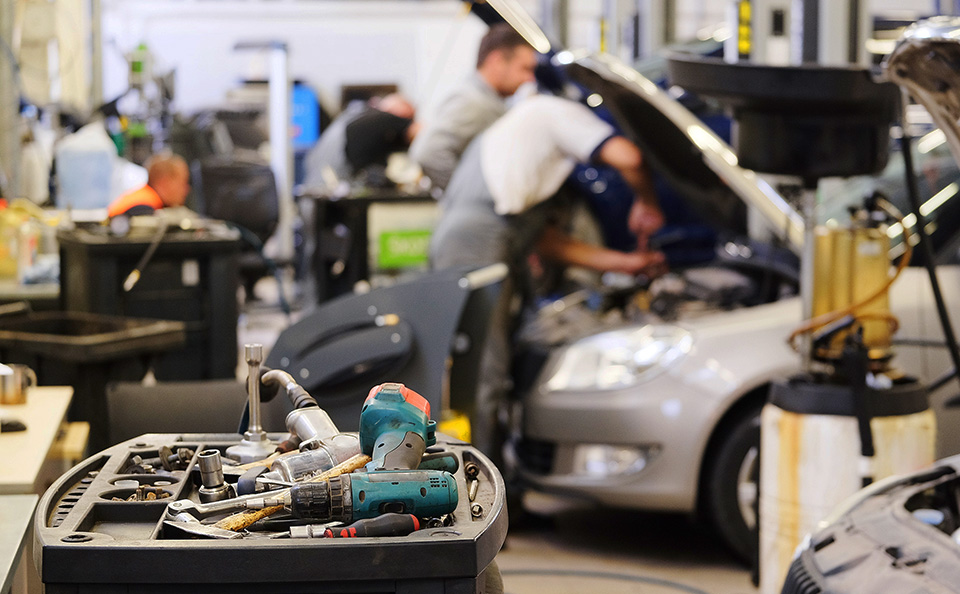
At Orr Chevrolet of Fort Smith, oil change service goes beyond draining and refilling. Our certified technicians inspect oil condition, replace filters designed specifically for Chevrolet engines, and check related components that can reveal early signs of wear or leaks. This proactive approach allows small issues to be addressed before they escalate into costly repairs.
Using manufacturer-recommended oil grades and filters ensures proper viscosity, pressure, and protection for your engine. Professional service also ensures that maintenance intervals are accurately tracked, supporting warranty requirements and long-term reliability.
Protecting Your Vehicle Starts with Routine Maintenance
Regular oil change service is one of the simplest yet most impactful ways to protect your vehicle. Staying within recommended mileage intervals helps preserve engine performance, improve efficiency, and reduce the risk of expensive mechanical failures. Neglecting this essential service can compromise reliability, safety, and overall ownership value.
At Orr Chevrolet of Fort Smith, we encourage drivers to treat oil changes not as an inconvenience, but as an investment in their vehicle’s future. With consistent care and professional service, your Chevrolet can continue to deliver dependable performance mile after mile.
Connect with us


