






As the automotive industry continues to evolve, one of the biggest questions drivers face is whether to choose a traditional gas-powered vehicle or a fully electric vehicle (EV). Both options offer unique advantages, and with advancements in technology, the decision is becoming more relevant than ever for modern drivers.
In 2026, automakers like Chevrolet are producing vehicles that cater to both preferences. From powerful gasoline trucks like the Chevrolet Silverado 1500 to innovative electric models like the Chevrolet Silverado EV, drivers now have more choices than ever before. Understanding the differences between gas and electric vehicles can help buyers decide which option best fits their lifestyle.
Performance and Driving Experience
When it comes to performance, both gas and electric vehicles have strengths depending on what drivers value most.
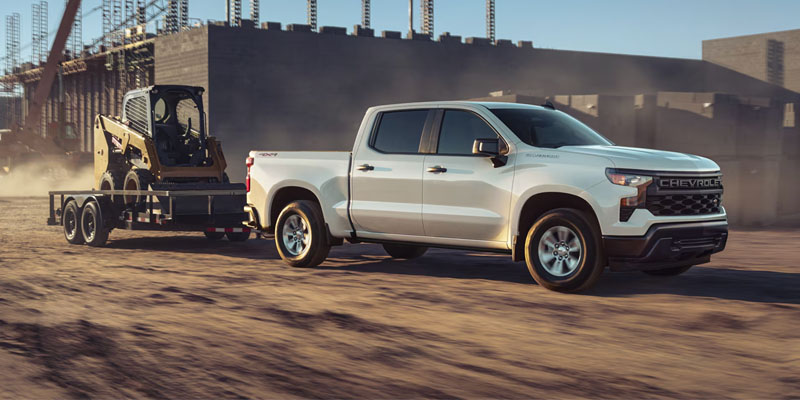
Gas-powered vehicles have traditionally dominated the market because of their proven reliability and familiar driving experience. Gas engines provide consistent power, long driving ranges, and quick refueling times. Trucks and SUVs powered by gasoline engines remain ideal for drivers who need towing capability or long-distance driving without planning charging stops.
Electric vehicles, however, are known for delivering instant torque and smooth acceleration. Because electric motors produce power immediately, EVs often feel faster off the line than many traditional vehicles. This instant response creates a quiet, smooth, and highly responsive driving experience.
For everyday commuting, electric vehicles often feel more refined, while gas vehicles still excel in heavy-duty tasks and long-distance travel.
Fuel Costs and Efficiency
One of the most significant advantages of electric vehicles is lower operating costs. Charging an EV typically costs less than filling a gasoline tank, especially when charging at home. Over time, this can lead to noticeable savings for drivers who travel frequently.
Electric vehicles are also more energy-efficient than gas vehicles. Electric motors convert a larger percentage of energy into motion, while gas engines lose a significant amount of energy as heat.
Gas vehicles, however, still have an advantage in areas where electricity costs are high or charging infrastructure is limited. Additionally, drivers can refuel a gas vehicle in just a few minutes, while EV charging times can vary depending on the charger type.
For drivers focused on reducing fuel expenses, electric vehicles often provide long-term savings.
Maintenance and Reliability
Another area where electric vehicles stand out is maintenance. EVs have fewer moving parts compared to gas-powered vehicles. They do not require oil changes, spark plugs, or many of the traditional engine maintenance services associated with gasoline engines.
This simpler design often leads to lower long-term maintenance costs.
Gas vehicles, on the other hand, benefit from decades of refinement and a widespread service network. Many drivers are already familiar with maintaining gasoline engines, and repair shops are widely available across the country.
For drivers who want fewer maintenance concerns, electric vehicles can offer a clear advantage.
Environmental Impact
Environmental considerations have become an increasingly important factor in vehicle purchasing decisions. Electric vehicles produce zero tailpipe emissions, which helps reduce air pollution and greenhouse gas emissions.
This makes EVs particularly appealing for drivers who want to reduce their environmental impact.
Gas-powered vehicles still produce emissions during operation, although modern engines have become far more efficient and cleaner than those produced decades ago. Automakers continue improving fuel efficiency and emissions systems to reduce environmental impact.
While electric vehicles are often viewed as the greener option, the overall environmental benefit can depend on how the electricity used for charging is produced.
Charging vs Refueling
One of the biggest differences between gas and electric vehicles is how they are powered.
Gas vehicles rely on fuel stations, which are widely available and allow drivers to refuel quickly. A typical fill-up takes only a few minutes, making gas vehicles extremely convenient for long trips.
Electric vehicles require charging instead of refueling. Many EV owners charge their vehicles overnight at home, similar to charging a smartphone. Public charging stations are also expanding rapidly across the country, making long-distance EV travel more practical than ever before.
However, charging times can still be longer than traditional refueling, depending on the charging speed and battery size.
Which Option Is Right for You?
The choice between gas and electric vehicles ultimately depends on how you plan to use your vehicle.
Drivers who prioritize lower fuel costs, quiet driving, and reduced maintenance may find electric vehicles to be the ideal solution. EVs are especially well suited for daily commuting and city driving.
On the other hand, drivers who need maximum towing capability, long-distance convenience, or quick refueling may prefer a traditional gas-powered vehicle.
Fortunately, modern automakers offer both options. Chevrolet, for example, provides powerful gas trucks alongside innovative electric models, allowing drivers to choose the technology that best fits their needs.
The Future of Driving
The automotive world is entering an exciting period of innovation. Gasoline vehicles continue to evolve with improved efficiency and performance, while electric vehicles introduce new levels of technology and sustainability.
Whether drivers choose gas or electric, today’s vehicles deliver more capability, comfort, and advanced features than ever before. Understanding the benefits of each option can help buyers make a confident and informed decision as the industry continues to move toward the future of transportation.
Connect with us


